This site contains affiliate links. I may earn a commission if you purchase through these links. Thank you for being so supportive!
Walking into a coffee shop with amazing espresso but an interior that feels like a generic office break room? Your interior space is your brand’s biggest billboard, yet most coffee shop owners waste this prime real estate.
Coffee businesses invest in logos and social media but ignore interior branding, missing the opportunity to create memorable experiences, despite 73% of customers deciding to become regulars within 90 seconds based on interior space.
Here’s what successful cafés understand: Interior branding isn’t just decoration; it’s experiential storytelling.
When your space authentically reflects your brand personality, you create Instagram-worthy destinations that customers choose for the experience, not just caffeine.
Ready to transform your space into a brand experience?
Discover why interior branding is crucial for coffee businesses and learn how to create cohesive, memorable spaces that turn first-time visitors into loyal regulars.
What Is Interior Branding and Why Does It Matter for Coffee Shop Success?
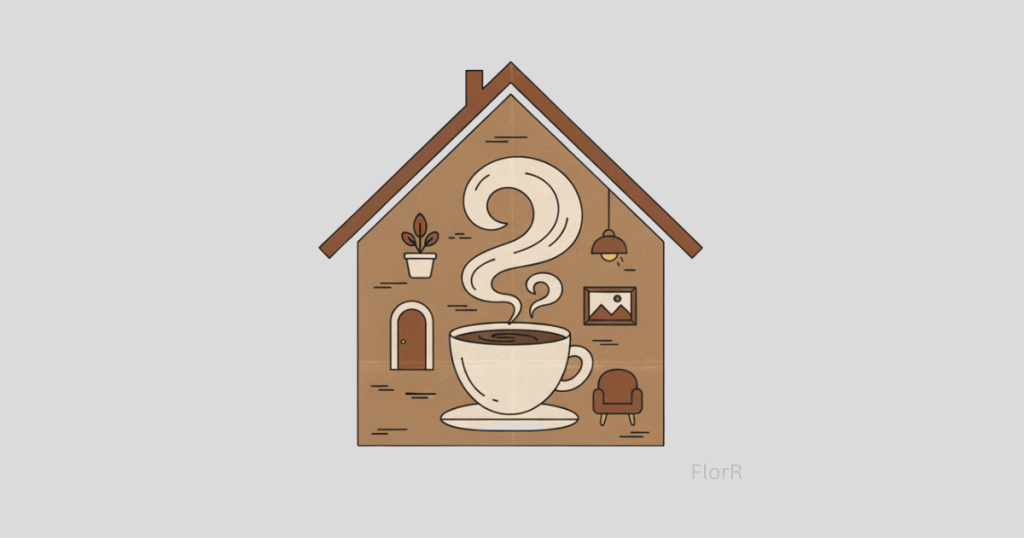
Let’s talk about the connection between your space and your brand. As a coffee business marketing consultant, I’ve watched how interior branding transforms ordinary coffee shops into memorable destinations that customers can’t stop visiting.
Interior Branding Is Your Brand’s Physical Story
Interior branding is how your physical space communicates who you are as a business. Every design choice from lighting fixtures to furniture selection tells customers what your brand stands for before they even taste your coffee.
What interior branding includes:
- Color schemes that reflect your brand personality
- Furniture choices that match your target customer’s lifestyle
- Lighting design that creates the right mood and atmosphere
- Materials and textures that communicate the quality level
The look and feel of your space should match your branding and marketing message perfectly.

cOFFEE HOODIES
COFFEE T-SHIRTS
EMBROIDERY
Physical Environment Creates Emotional Brand Connections
I worked with a coffee shop that kept changing its menu and marketing but saw no growth.
When we redesigned their interior to match their “cozy community hub” brand positioning, customer visits jumped 40% in three months. The space finally matched the promise.
Why interior design impacts business:
- 82% of customers choose coffee shops based on atmosphere quality
- Well-designed spaces increase dwell time by 47%
- Branded interiors boost average spend by 23%
- Physical environments create lasting emotional associations
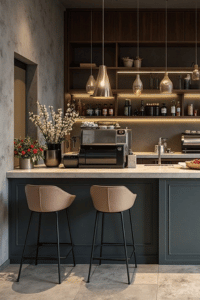
Modern Café Stools – Stylish Comfort for Coffee Shops & Homes
Upgrade your space with Modern Café Stools – sleek, durable, and designed for comfort. Perfect for coffee shops, kitchens, and bars. Blend style and function for the ultimate seating experience
Standing Out Through Cohesive Space Design
Consistency is key when your interior should reinforce every other brand touchpoint. Starbucks proves this with its consistent branded interiors worldwide, while Blue Bottle‘s minimalist aesthetic instantly communicates its refined positioning.
Design can also differentiate you from competitors serving similar coffee at similar prices.
When your interior branding creates a unique, memorable experience, customers choose you for the complete package, not just the caffeine.
How Does Interior Design and Branding Integration Create Memorable Coffee Shop Experiences?
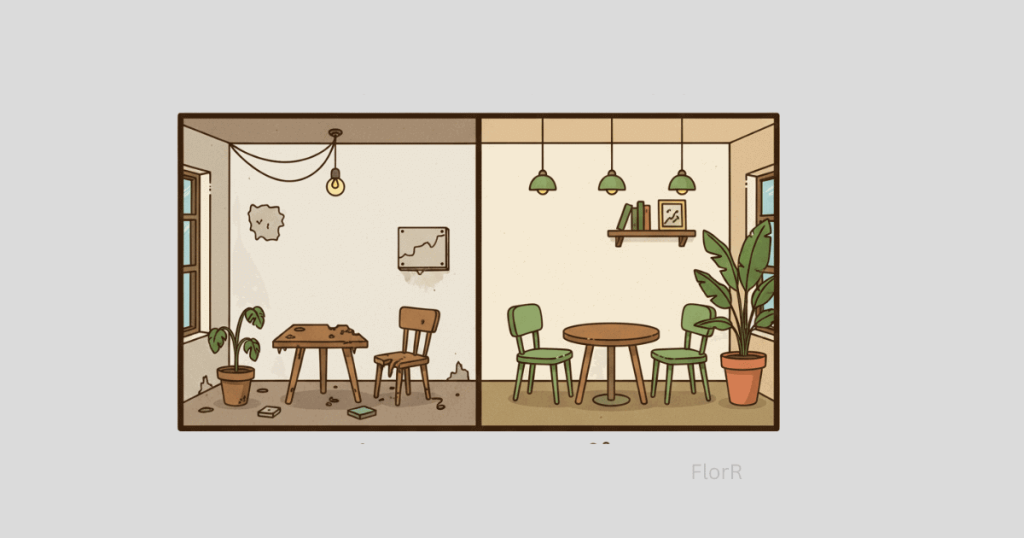
Smart coffee shops use their physical space as a palette for expressing every aspect of their brand through intentional design integration.
Color and Materials That Speak Your Brand Language
Your paint colors, wood finishes, and metal choices communicate brand positioning before customers read a single word.
Warm woods and earth tones signal approachable comfort, while concrete and steel communicate industrial sophistication.
Strategic material and color choices:
- Premium positioning: marble counters, brass fixtures, deep jewel tones
- Casual community vibe: reclaimed wood, exposed brick, warm neutrals
- Modern specialty: concrete, stainless steel, monochromatic palettes
- Cozy neighborhood: soft textiles, natural wood, inviting warm colors
These choices evoke specific emotions that reinforce your brand personality consistently.
Brand Identity Beyond Logo Slapping
I consulted for a coffee shop that thought branding meant putting its logo everywhere.
We removed most logos and instead used their brand typography in menu boards, incorporated their signature patterns in tile work, and chose textures that matched their visual identity system.
Subtle brand integration opportunities:
- Typography from brand guidelines in all interior signage
- Brand color palette in accent walls and furniture choices
- Pattern elements from the visual identity in tile or wallpaper
- Material textures that reflect brand personality traits
This approach reinforces aspects of your brand without overwhelming customers with obvious branding.
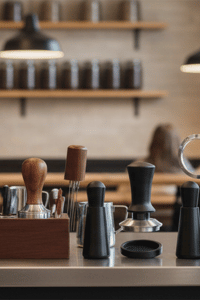
Espresso Wooden Accessories for Coffee Shops
Elevate your café’s identity with handcrafted wooden espresso accessories. From tampers to knock boxes, these barista tools blend function and design, giving your coffee shop a polished, professional look that customers remember.
Every Surface as Brand Expression Opportunity
Cohesive branding means every touchpoint works together. Floors, ceilings, walls, furniture, lighting, and fixtures should all communicate the same brand message.
Complete space brand integration:
- Flooring materials that match the brand positioning level
- Ceiling treatments that enhance brand atmosphere
- Wall finishes that support internal culture and values
- Custom furniture selections aligned with the target customer lifestyle
Intentional color psychology, subtle brand element integration, and comprehensive touchpoint design create spaces customers remember and choose repeatedly.
What Interior Space Design Elements Reinforce Your Coffee Brand Identity?
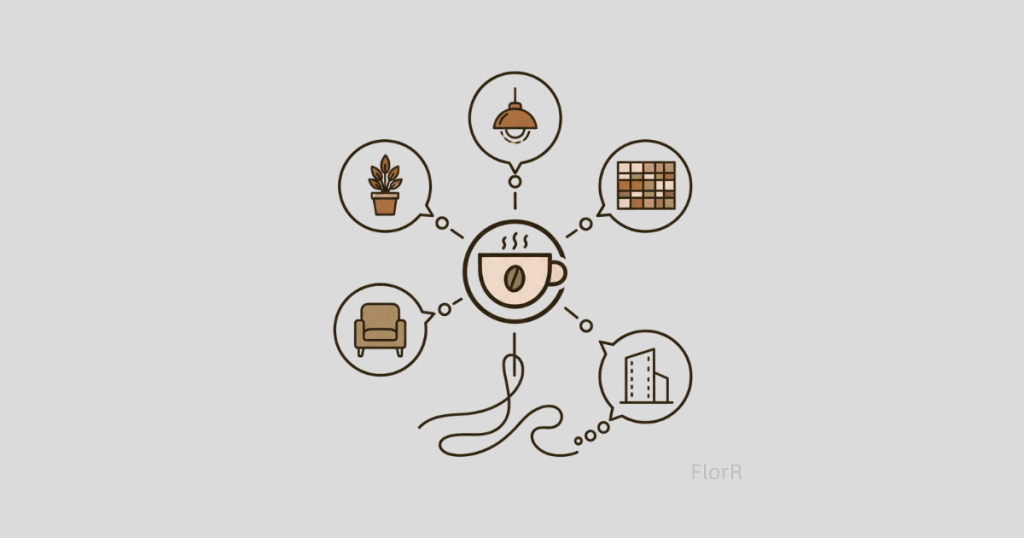
A skilled interior designer can create spaces where every element works together to communicate your coffee shop’s unique personality and values.
Lighting Design That Sets Your Brand Mood
Lighting is one of the most powerful brand tools that most coffee shops completely ignore. Bright, energetic lighting signals quick-service efficiency, while warm, layered lighting creates a cozy community atmosphere.
Strategic lighting for brand positioning:
- Fast-casual brands: Bright overhead lighting for energetic, efficient vibe
- Community hubs: Warm pendant lights and table lamps for an intimate feel
- Specialty coffee: Focused task lighting on brew bars to highlight craft
- Premium positioning: Layered ambient lighting with dimmers for sophistication
A designer can create a space where lighting reinforces every aspect of your brand personality.

Sips in Style: The Coffee Tote Bag That Turns Heads
Turn heads with this colorful coffee tote, fun, bold, and made for daily brews. Just ask for the “coffee time bag.”
Furniture That Reflects Customer Lifestyle and Brand Values
I worked with a coffee shop targeting remote workers who kept buying uncomfortable industrial stools because they “looked cool.”
After switching to ergonomic seating that matched their “productive workspace” brand positioning, customer dwell time doubled.
Furniture selection by brand type:
- Trendy grab-and-go: Bar-height seating and limited tables encourage turnover
- Study-friendly spaces: Comfortable chairs with power outlets and good lighting
- Social community cafes: Mix of communal tables and cozy conversation groupings
- Premium experience: Plush seating and spacious layouts signal luxury
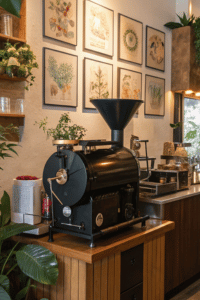
Artisanal Coffee Roaster Machines – Precision Craft for Perfect Beans
Discover Artisanal Coffee Roaster Machines designed for small-batch perfection. Roast beans with precision, enhance flavor, and enjoy café-quality coffee at home or in your shop. Built for freshness, crafted for coffee lovers.
Visual Storytelling Through Graphics and Surfaces
Blank walls are missed branding opportunities. An interior designer can create compelling visual narratives through murals, menu boards, and wall treatments that tell your brand story.
Visual brand storytelling elements:
- Origin story murals showing coffee sourcing journey
- Typography-based wall art featuring brand messaging
- Local artist partnerships that reinforce community values
- Custom menu boards designed in brand typography and colors
Intentional lighting, strategic furniture choices, and visual storytelling create spaces where customers immediately understand and connect with your coffee shop’s brand identity.
How Can Coffee Businesses Create a Branded Interior Design on Limited Budgets?
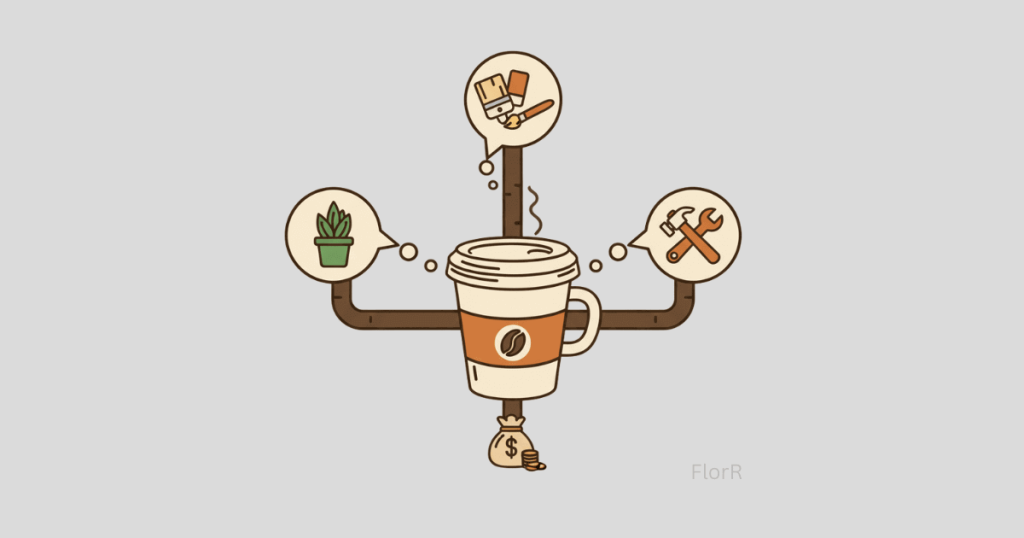
You don’t need a massive renovation budget to bring your brand to life through intentional interior design choices.
Prioritize High-Impact, Low-Cost Brand Touchpoints
Paint is your cheapest, most powerful branding tool. A strategic accent wall in your brand colors costs under $200 but transforms how customers perceive your space instantly.
Maximum impact, minimum investment:
- Paint colors aligned with brand palette ($150-500 for entire space)
- Lighting temperature adjustments with LED bulbs ($50-150)
- Strategic accent walls that create visual expression ($100-300)
- Branded chalkboard or menu board designs (DIY or $200-400)
These foundational choices establish cohesive visual branding without breaking the bank.
Smart DIY Choices That Maintain Brand Consistency
I worked with a coffee shop that furnished their entire space with curated vintage finds from thrift stores and estate sales, total cost of under $2,000.
They chose pieces that matched their “nostalgic community” brand aesthetic perfectly.
Budget-friendly branded design tactics:
- Thrift store furniture curated to match the brand’s style
- Local artist collaborations (they get exposure, you get custom art)
- Your own branded packaging as wall décor displays
- Plants and greenery to reinforce natural, sustainable values
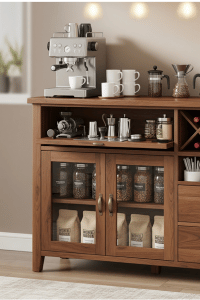
Modern Coffee Shop Furniture
Contemporary coffee shop furniture is designed for style and comfort. Create an inviting, elegant space where customers can relax, connect, and enjoy every cup in a modern atmosphere.
Phase Your Interior Branding Implementation
You don’t need to complete everything at once. Start with essentials that bring your brand personality to life, then expand gradually.
Strategic phasing approach:
- Month 1: Paint, lighting, and one statement accent wall
- Month 2-3: Seating and furniture that match brand positioning
- Month 4-6: Wall treatments, artwork, and decorative brand elements
- Ongoing: Seasonal updates and refinements based on customer feedback
Strategic prioritization, creative DIY solutions, and phased implementation create strong branded interiors under $5,000 that communicate a cohesive visual identity effectively.
Why Does Consistency Between Interior Design Branding and Overall Brand Matter?

The truth about brand consistency: your café’s physical space must mirror every brand touchpoint.
When what customers see online clashes with what they experience in-store, trust evaporates faster than a shot of burnt espresso.
When Physical Space Contradicts Digital Brand Promise
If your Instagram shows sleek, minimalist aesthetics but customers walk into a cluttered, mismatched space, they feel deceived.
This disconnect signals that your brand isn’t authentic or trustworthy.
Common brand consistency failures:
- Social media aesthetic doesn’t match actual interior design
- Website promises premium experience, space delivers budget vibes
- Marketing emphasizes sustainability, but the interior shows no eco-conscious choices
- Brand colors are prominent online but completely absent in physical space
When your interior isn’t on-brand, customers question everything else you promise.
Interior Designer Collaboration for Brand Alignment
I worked with a coffee shop owner who hired a designer without sharing brand guidelines.
The designer created a beautiful space that completely contradicted the brand’s rustic, community-focused personality. They had to redo everything.
Successful designer collaboration requires:
- Sharing comprehensive brand guidelines before design begins
- Ensuring the designer understands your target customer deeply
- Regular check-ins to integrate brand elements throughout the process
- Designer who respects brand identity while adding expertise
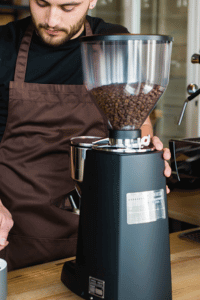
Grind Like a Pro: Elevate Your Coffee Business the Best-Selling Grinders
Grind like a pro with the top-rated coffee grinders, designed to boost flavor, consistency, and customer satisfaction at your café.
Every Touchpoint Tells the Same Brand Story
Brand experience starts before customers enter and continues through every interior detail. Exterior signage, entry experience, service counter, seating areas, and restrooms should all reinforce a consistent brand personality.
Complete brand experience touchpoints:
- Exterior signage and storefront design match the interior aesthetic
- Entry experience sets expectations that interior delivers
- Service counter design reflects the brand positioning level
- Every finish detail, from door handles to napkin holders, stays on-brand
The perfect blend of aligned touchpoints creates seamless brand experiences where customers feel your authenticity and consistency at every interaction point.
How Do Materials and Finishes in Interior Space Communicate Coffee Brand Values?
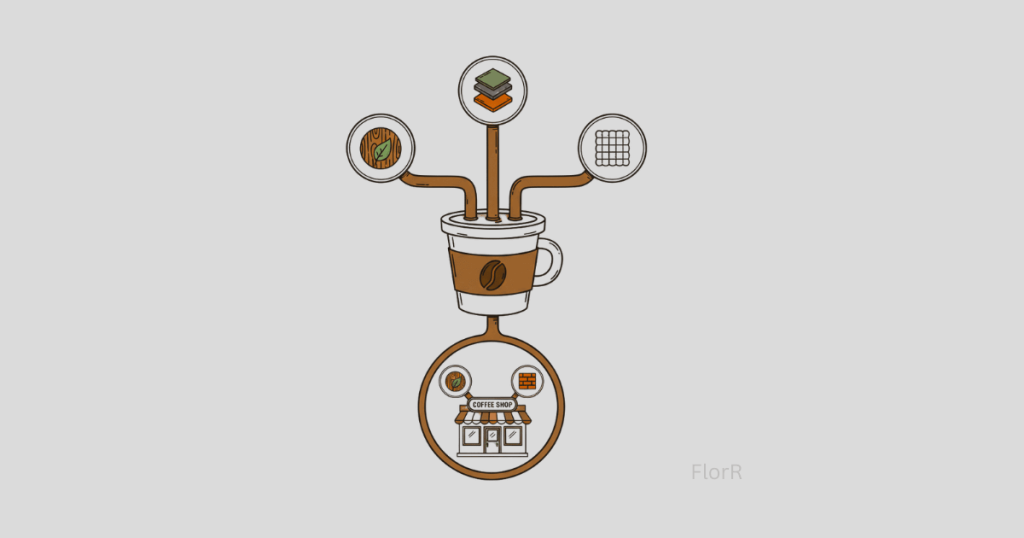
Every surface, finish, and texture in your coffee shop tells customers what you value and who you are as a brand.
Sustainable Materials for Eco-Conscious Brand Positioning
If your brand promises environmental responsibility, your interior materials must prove it. Customers notice when sustainability claims don’t match physical reality.
Eco-conscious material choices:
- Reclaimed wood from salvaged buildings for furniture and accents
- Low-VOC paints that improve indoor air quality
- Energy-efficient LED lighting throughout the space
- Recycled or upcycled décor elements and fixtures
- Locally sourced materials that reduce transportation impact
These tangible choices demonstrate environmental values that customers can see and touch.
Premium Finishes That Justify Higher Price Points
I worked with a specialty coffee shop struggling to charge $6 lattes in a space with cheap laminate counters and fluorescent lighting.
After upgrading to marble countertops and brass fixtures, customers stopped questioning prices because the environment matched the premium positioning.
Premium material selections:
- Natural stone countertops (marble, granite, or quartz)
- Hardwood floors or high-quality tile
- Brass, copper, or brushed gold fixtures and hardware
- Custom millwork and built-in furniture pieces
- High-end upholstery fabrics on seating
Premium materials create perceived value that supports higher pricing.
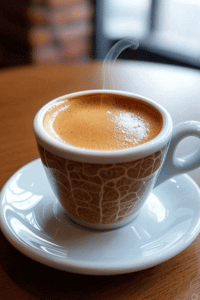
Adorable Espresso Shot Cups That Elevate Every Sip
Cute ceramic espresso shot cups with elegant designs, perfect for cozy cafés or home brews. Shop stylish espresso cups now!
Industrial Materials for Artisanal Authenticity
Raw, industrial materials communicate transparency, authenticity, and hands-on craftsmanship that resonates with specialty coffee culture.
Artisanal material palette:
- Exposed brick walls showing the building’s history
- Polished concrete floors for an industrial aesthetic
- Raw steel or iron fixtures and furniture frames
- Exposed ductwork and structural elements
- Unfinished wood surfaces showing natural character
Intentional material selection creates spaces where every surface reinforces your brand values. Your finishes aren’t just aesthetic choices; they’re brand statements customers read instinctively.
What Role Does Interior Branding Play in Coffee Shop Social Media Marketing?
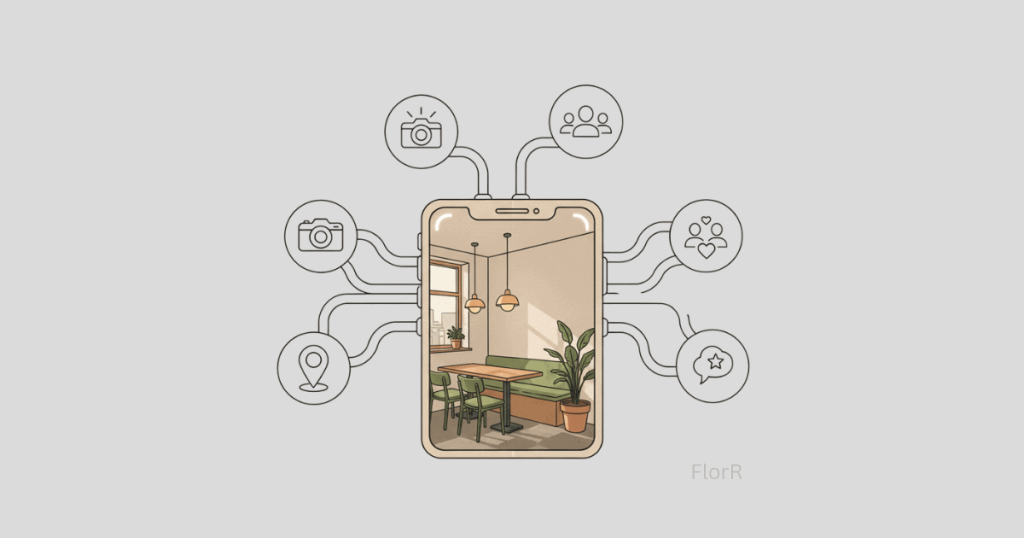
Let’s go ahead and establish a connection between your physical space and digital presence. Your interior design isn’t just for in-person customers; it’s working 24/7 as your most powerful social media content generator.
Instagram-Worthy Spaces Turn Customers Into Marketers
67% of coffee shop social media content is user-generated interior photos. When customers photograph your space and tag your business, they’re creating free advertising that reaches their entire network authentically.
Why customers photograph branded interiors:
- Unique design elements that stand out on social feeds
- Aesthetically cohesive spaces that photograph beautifully
- Lighting designed to look great in phone camera shots
- Distinctive brand elements that make photos recognizable
Your interior design becomes your marketing team when it encourages organic sharing.

The Denim Jacket Every Coffee Lover Needs
The perfect denim jacket for coffee lovers, with bold coffee print, comfy fit, and street-ready style. Just say “coffee jacket.”
Design Photo Opportunities That Incorporate Branding
I worked with a coffee shop that added one signature tile wall with their brand colors and pattern. Customer posts featuring that wall increased 400% in three months, each post exposing their brand to hundreds of new potential customers.
Strategic photo-worthy design elements:
- Signature walls with distinctive colors, patterns, or textures
- Unique seating arrangements that create visual interest
- Statement lighting fixtures that photograph dramatically
- Custom neon signs or typography that reinforces brand messaging
- Plants, artwork, or installations that become recognizable backgrounds

Espresso Express Crop Tee, The Must-Have Shirt for Every Coffee Mood
Level up your brew style with this custom Champion Espresso Tee, bold, comfy, and made for true coffee lovers. Just say “coffee shirt.”
Distinctive Design Drives Organic Visibility and Traffic
Distinctive spaces generate 3.2x more social media mentions than generic interiors. Each mention brings new customers who saw your space online and want to experience it themselves.
Social media amplification benefits:
- User-generated content provides authentic brand endorsements
- Tagged posts expose your brand to new audience networks
- Viral interior moments drive foot traffic from social discovery
- Consistent interior aesthetic strengthens brand recognition across platforms
The perfect blend of photogenic design, strategic branding integration, and shareable moments creates spaces that market themselves through customer enthusiasm and organic social sharing.
How Can Coffee Businesses Measure Interior Branding Impact on Customer Experience?
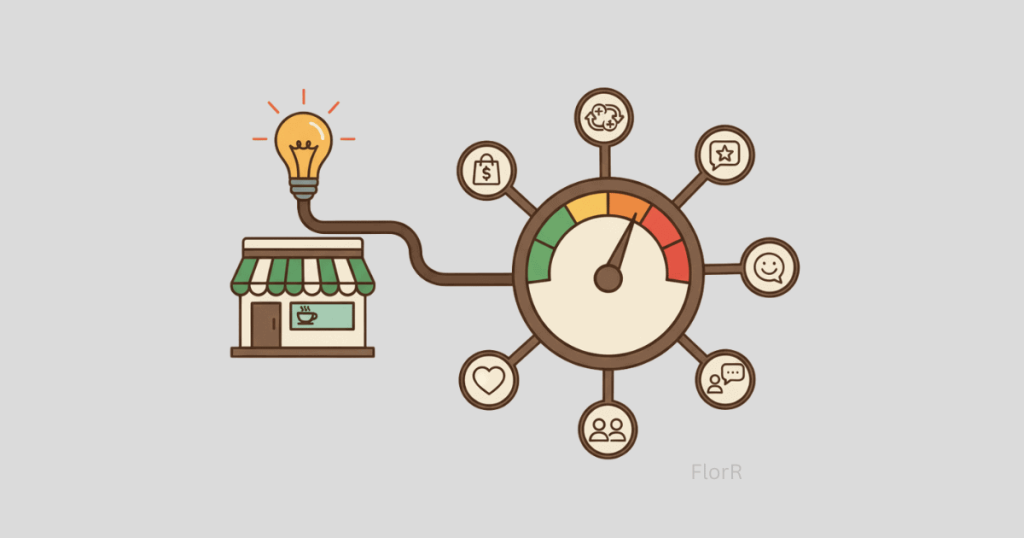
Let’s talk about how to track whether your interior branding investment actually delivers results. Smart coffee shop owners measure impact through multiple data points that connect design choices to business outcomes.
Direct Customer Feedback on Interior Experience
Ask customers directly about how your space makes them feel and whether it matches their expectations of your brand.
Simple surveys reveal whether your interior branding communicates what you intend.
Essential customer feedback questions:
- “How would you describe the atmosphere of our coffee shop?”
- “Does our space match what you expected from our brand?”
- “What made you choose to stay/work here vs. other coffee shops?”
- “Which areas of our space do you find most appealing?”
Direct feedback reveals gaps between the intended brand message and customer perception.
Behavioral Metrics That Prove Interior Success
I tracked a coffee shop before and after an interior rebrand. Average dwell time increased from 28 to 47 minutes, return visits jumped 35%, and peak capacity utilization improved by 22% – all proving the new interior resonated with customers.
Key performance indicators for interior branding:
- Average customer dwell time increases
- Return visit frequency and loyalty program participation
- Peak hour capacity utilization and table turnover rates
- Average transaction value during extended visits
cOFFEE HOODIES
COFFEE T-SHIRTS
EMBROIDERY
Social Media Signals of Interior Branding Success
Your social media mentions and user-generated content provide real-time feedback on interior branding effectiveness without formal surveys.
Social media success indicators:
- Instagram tags and location check-ins frequency
- Customer photos featuring your interior design elements
- Social media mentions specifically about atmosphere or space
- Hashtag usage related to your branded interior features
Key Takeaways
- Physical brand story – Every design choice from lighting to furniture communicates brand personality
- Proven ROI – Branded interiors increase dwell time by 47% and spending by 23%
- Atmosphere sells – 82% of customers choose shops based on atmosphere equally with coffee quality
- Full integration – All elements must reinforce a consistent brand message across touchpoints
- Budget-friendly – Strong branding possible under $5,000 with strategic prioritization
- Materials speak – Finishes communicate values, positioning, and justify pricing
- Social amplification – Distinctive interiors generate 3.2x more user-generated content
- Measurable results – Track via dwell time, return visits, and social engagement
Conclusion
Interior branding transforms your coffee shop from a place that serves drinks into a destination that delivers memorable experiences; it’s the most powerful brand touchpoint you directly control.
Here’s your interior investment reality: Great coffee deserves an interior that tells its story.
When your physical space reinforces brand identity through intentional design choices, you create an atmosphere customers remember, choose repeatedly, and share enthusiastically with their networks.
FAQs
What is interior branding for coffee shops?
Interior branding is the intentional design of your physical coffee shop space to express brand personality, values, and positioning through every element from colors and lighting to furniture and finishes that create cohesive customer experiences.
Why is interior design important in a coffee shop?
Interior design directly impacts customer behavior and business results. Well-designed spaces increase dwell time by 47%, boost spending by 23%, and create memorable experiences that drive loyalty and social sharing in competitive coffee markets.
How does interior design influence business?
Interior design influences business by affecting customer perception, dwell time, and spending behavior – 82% of customers choose coffee shops based on atmosphere quality, making design a critical factor in customer acquisition and retention rates.
How much should coffee shops invest in interior branding?
Plan to invest 15-25% of total buildout budget in brand-aligned interior design, typically $10,000-30,000 for small shops, with strategic phasing options for tighter budgets starting around $5,000 for essential brand elements.
What are the factors to consider in making a coffee shop layout?
Consider customer flow patterns, target audience behavior, operational efficiency, seating capacity goals, equipment placement, and brand personality expression – all while ensuring layout supports both customer experience and staff workflow effectiveness.
What is the best business structure for a coffee shop?
Most coffee shops operate as LLCs for liability protection and tax flexibility, though sole proprietorships work for single owners and S-corps benefit high-profit businesses – consult an accountant to determine best structure for your situation.
Can coffee shops do interior branding without hiring an interior designer?
Yes, but work with designers who understand both branding and interior design for best results – many offer consultation-only services for $1,000-3,000 to guide DIY implementation while maintaining brand consistency throughout your space.
How often should coffee shops update their interior branding?
Refresh accent elements every 2-3 years to stay current, with major interior redesigns every 5-7 years to maintain relevance while preserving core brand recognition that loyal customers know and trust.
What’s the biggest interior branding mistake coffee shops make?
Treating interior design as separate from brand strategy – every design choice should intentionally express brand personality rather than following generic coffee shop trends that don’t differentiate your business from competitors.