This site contains affiliate links. I may earn a commission if you purchase through these links. Thank you for being so supportive!
Walk any city street and pass five identical coffee shops: same Edison bulbs, reclaimed wood, chalkboard menus.
Opening a coffee shop in today’s saturated market requires more than great coffee; you need a coffee shop concept that defines your brand and makes customers choose you over every corner competitor.
Coffee shop business owners opening generic cafes without clear concepts face a harsh reality: 67% fail within three years, while those with distinctive coffee shop concepts achieve 82% survival rates.
Here’s what survivors understand: Your coffee shop concept isn’t decoration; it’s strategic differentiation. When you develop a well-executed concept resonating with your market, you transform from a forgettable clone into the destination customers actively seek.
Ready to stand out from the crowd?
Discover innovative coffee shop concepts that work and learn how to choose the right concept for your market, transforming your cafe from generic to unforgettable.
What Is a Coffee Shop Concept and Why Does It Matter for Your Business Success?

As a coffee business marketing consultant, I’ve seen how a strong coffee shop concept transforms ordinary cafes into profitable destinations that customers choose repeatedly.
Understanding Your Coffee Shop Concept Foundation
Your coffee shop concept is the “why” behind every business decision you make. It’s not just about serving coffee beans; it’s the complete identity that shapes your menu, atmosphere, pricing, and customer experience.
What your concept defines:
- Physical design: Whether you install outdoor seating or create cozy indoor spaces
- Service style: Fast grab-and-go requiring an efficient POS system vs. leisurely lingering
- Menu choices: Specialty single-origin focus vs. classic comfort drinks
- Atmosphere: Modern minimalist vs. vintage retro diner aesthetic
Your concept answers “why should customers choose us over Starbucks or the cafe next door?”

HIGH TABLE
With Stools

LONG TABLE
With Stools
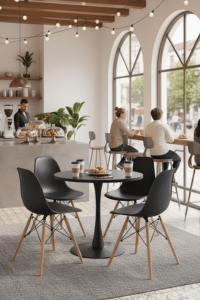
BLACK TABLE
With Chairs
How Strong Concepts Create Market Differentiation
I worked with two coffee shops on the same street. One had a clear “productivity workspace for remote professionals” concept with fast WiFi, ergonomic seating, and plenty of outlets.
The other just served “good coffee.” Guess which one charged premium prices and had lines out the door?
Concept-driven differentiation benefits:
- Clear positioning that attracts specific customer demographics
- Premium pricing justified by unique experience (15-25% higher than generic competitors)
- Memorable brand identity customers remember and recommend
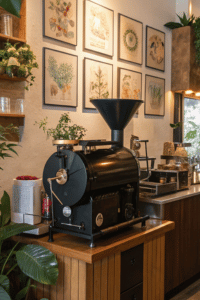
Artisanal Coffee Roaster Machines – Precision Craft for Perfect Beans
Discover Artisanal Coffee Roaster Machines designed for small-batch perfection. Roast beans with precision, enhance flavor, and enjoy café-quality coffee at home or in your shop. Built for freshness, crafted for coffee lovers.
Concept Creates Customer Loyalty and Community
Customers don’t just buy caffeine. They buy experiences and identities that align with their values. A well-defined coffee shop concept builds emotional connections that transcend product.
- 40% higher customer retention when concept resonates authentically
- Word-of-mouth marketing from customers who identify with your brand
- Community building around shared values and experiences
Clear identity, strategic differentiation, and emotional connection create coffee shop concepts that drive sustainable business success.
What Are the Most Successful Coffee Shop Concept Types in Today’s Market?

Let’s talk about the proven coffee shop concept models driving profits today. Understanding these categories helps you position your business to stand out strategically in competitive markets.
The Third Place Community Concept
Third-place coffee shops create destinations where customers spend hours between home and work.
This coffee shop concept prioritizes comfortable spaces that foster connection and productivity.
Third place concept characteristics:
- Comfortable seating with a mix of solo work spots and communal tables
- Coffee and music atmosphere that’s energizing but not overwhelming
- Strong WiFi, power outlets, and amenities encouraging extended stays
- Coffee-based menu with food options supporting longer visits
- Community events like open mics, book clubs, and local artist showcases
This model caters to both coffee drinkers seeking quality and customers wanting welcoming gathering spaces.
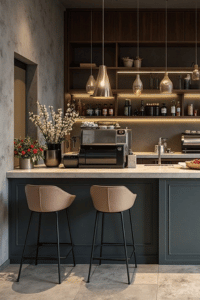
Modern Café Stools – Stylish Comfort for Coffee Shops & Homes
Upgrade your space with Modern Café Stools – sleek, durable, and designed for comfort. Perfect for coffee shops, kitchens, and bars. Blend style and function for the ultimate seating experience
Specialty and Craft Coffee Focus
Specialty coffee shop concepts attract coffee enthusiasts willing to pay premium prices for exceptional quality and education. These shops position coffee as craft, not commodity.
Specialty coffee concept elements:
- Single-origin espresso-based drinks highlighting bean provenance
- Multiple brewing methods (pour-over, siphon, cold brew, espresso)
- Barista expertise and customer education about coffee origins
- Minimalist design letting coffee quality be the star
- Higher price points ($5-7 lattes) justified by quality and knowledge

cOFFEE BAGS
Eco Friendly
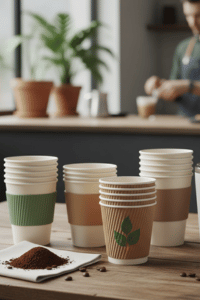
COFFEE CUPS
Eco Friendly

COLD BREW
No Mess Filters
Convenience and Speed-Focused Models
Grab-and-go coffee shop concepts prioritize efficiency over experience, serving busy professionals who value speed.
Convenience concept features:
- Drive-thru or walk-up windows for minimal transaction time
- Mobile ordering with quick pickup within your coffee shop
- Limited seating, focusing on takeaway service
- Streamlined menu for faster preparation
- Strategic locations near commuter routes or office buildings
Success factors by concept:
- Third place: 2+ hour average dwell time, moderate turnover
- Specialty: Premium pricing ($5-8 drinks), educated customer base
- Convenience: High volume, quick turnover, lower margins per transaction
Concept selection, aligned with your location, target market, and personal passion, creates coffee shop concepts positioned for sustainable profitability.
How Do You Create a Unique Coffee Shop Concept That Attracts Your Ideal Customers?

Creating ideas that resonate requires strategic thinking combined with authentic passion, not just copying what’s trendy.
Start With Market Research and Gap Analysis
Before developing your coffee shop concept, understand what exists in your area and what customers need but can’t find currently.
Essential market research questions:
- What coffee shops already operate within a 2-mile radius?
- What customer needs are unmet by existing options?
- Are there enough coffee aficionados to support a specialty focus?
- Do busy professionals need faster service options?
- Could community events like trivia nights fill an entertainment gap?
Map competitor concepts to identify white space for your positioning.
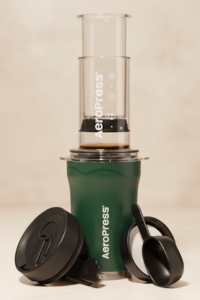
Best AeroPress Coffee Maker for Home & Travel
Brew barista-quality coffee anywhere with the AeroPress, the compact, all-in-one coffee maker loved by travelers and home baristas alike. In just 2 minutes, enjoy smooth, rich, low-acid coffee with zero bitterness. Easy to clean, durable, and perfect for espresso-style or cold brew.
Define Your Unique Selling Proposition
“Great coffee and friendly service” isn’t a differentiator because every coffee shop claims that. Your coffee shop concept needs specific positioning that makes choosing you obvious for your ideal customers.
Strong differentiation examples:
- Brewing variety focus: Showcase a variety of brews through educational tastings and rotating methods
- Community hub: Multiple comfortable seating areas designed for gathering and connection
- Speed and convenience: Mobile ordering with a 2-minute pickup guarantee
- Sustainability commitment: Zero-waste operations with compostable everything
- Local partnership: Feature local roasters, bakers, and artists exclusively
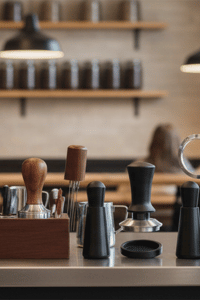
Espresso Wooden Accessories for Coffee Shops
Elevate your café’s identity with handcrafted wooden espresso accessories. From tampers to knock boxes, these barista tools blend function and design, giving your coffee shop a polished, professional look that customers remember.
Align Concept With Your Authentic Story
Your coffee shop concept must reflect genuine love for coffee and passion, not manufactured positioning that feels forced.
Authenticity validation questions:
- Does this concept excite you personally, or just seem profitable?
- Can you authentically tell the story behind your positioning?
- Would you be your own ideal customer?
- Does your concept align with your values and expertise?
Concept development process:
- List your passions and expertise areas
- Identify customer problems you genuinely want to solve
- Research market gaps in your specific location
- Create a concept that sits at the intersection of these three elements
Market opportunity, clear differentiation, and authentic passion create coffee shop concepts that attract ideal customers naturally.
What Innovative Coffee Shop Ideas Are Attracting Customers This Year?

Let’s talk about the cutting-edge coffee shop concept trends making waves today. These innovative ideas create experiences that customers tell their friends about, driving organic marketing through genuine enthusiasm.
Hybrid Concepts That Combine Complementary Businesses
Successful hybrid coffee shop concepts pair coffee with complementary services that extend dwell time and revenue streams beyond beverages alone.
Trending hybrid combinations:
- Coffee + Bookstore: Browse and sip like the iconic Central Perk vibe customers crave
- Coffee + Coworking: Day passes with unlimited coffee for remote workers
- Coffee + Art Gallery: Rotating local artist showcases with monthly art events
- Coffee + Plant Shop: Sip lattes while shopping for houseplants
- Coffee + Record Store: Vinyl browsing meets craft coffee culture
These combinations make your business stand out through diversified appeal and revenue.
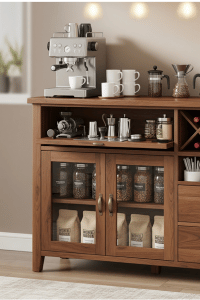
Modern Coffee Shop Furniture
Contemporary coffee shop furniture is designed for style and comfort. Create an inviting, elegant space where customers can relax, connect, and enjoy every cup in a modern atmosphere.
Experience-Driven Concepts Beyond Basic Service
Customers pay premium prices for memorable experiences, not just caffeine. Innovative shops create Instagram-worthy moments and skill-building opportunities.
Experience-focused innovations:
- Coffee flights: Tasting sets comparing origins, roasts, or brewing methods
- Latte art classes: Weekend workshops teaching foam techniques
- Open mic nights: Live music, poetry, comedy, building a sense of community
- Board game cafes: Extensive game libraries with coffee and snacks
- Brewing workshops: Home barista training and equipment demos
Experiences create loyal customers who return and tell their friends enthusiastically.
Sustainability and Transparency Focus
Sustainability-focused coffee shop concepts attract environmentally aware customers willing to pay a premium for ethical alignment.
Eco-conscious concept elements:
- Zero-waste operations: Compostable cups, no single-use plastics, discount for reusable mugs
- Transparent sourcing: Direct trade relationships with origin stories on the menu
- Community programs: Used grounds composting, recycling education
- Local partnerships: Support local roasters, bakers, and reduce transportation impact
Implementation considerations:
- Hybrid concepts require larger spaces (1,500+ sq ft)
- Experience programs need staff training investment
- Sustainability initiatives may increase costs 10-15%
Complementary business pairings, memorable experiences, and authentic sustainability create coffee shop concepts that foster a strong sense of community and customer loyalty.
How Can a Mobile Coffee Truck or Cart Concept Work for Your Coffee Business?

Let’s talk about the mobile coffee shop concept that’s attracting entrepreneurs with lower barriers to entry.
Mobile coffee businesses offer flexibility while testing your concept before making your coffee shop a permanent reality.
Benefits of Mobile Concepts vs. Traditional Locations
Mobile coffee shop concepts dramatically reduce startup investment while giving you the flexibility to find your ideal customers and test creative flavor offerings.
Mobile concept advantages:
- Lower startup costs: $30,000-$50,000 vs. $150,000-$300,000 for brick-and-mortar
- Location flexibility: Move to where customers are rather than hoping they find you
- Market testing: Validate concept, menu, and pricing before major lease commitments
- Lower overhead: No rent, smaller staff, reduced utilities, and insurance
- Event opportunities: Access festivals, corporate campuses, farmers’ markets
Perfect for entering the coffee industry without massive capital requirements.
Mobile Business Models and Revenue Streams
Successful mobile coffee businesses diversify revenue beyond just parking and hoping for walk-up traffic.
Strategic mobile revenue models:
- Event catering: Weddings, corporate events, festivals ($500-$2,000 per event)
- Corporate partnerships: Weekly visits to office parks and business districts
- Farmers markets: Reliable weekend traffic with loyal repeat customers
- Seasonal locations: Summer beaches, winter ski resorts, spring/fall festivals
- Private parties: Birthday celebrations, neighborhood gatherings
Top mobile operators generate $100,000-$250,000 annually with strong market positioning.
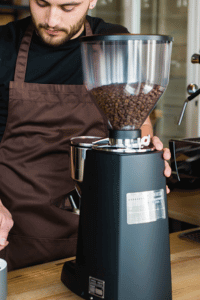
Grind Like a Pro: Elevate Your Coffee Business the Best-Selling Grinders
Grind like a pro with the top-rated coffee grinders, designed to boost flavor, consistency, and customer satisfaction at your café.
Challenges and Growth Considerations
Mobile concepts have limitations that constrain the growth of your coffee shop beyond certain revenue ceilings.
Mobile concept challenges:
- Permit complexity: Different requirements for each city, event, and location
- Weather dependency: Rain, extreme heat, and cold reduce customer traffic dramatically
- Equipment limitations: Smaller espresso machines, limited menu complexity
- Growth constraints: Hard to scale beyond $250,000 revenue with a single truck
Scaling pathway:
- Start mobile to build brand and customer base ($30K-50 investment)
- Test menu, pricing, and positioning with real customers
- Transition to brick-and-mortar once you’ve proven concept viability
Low-cost entry, market testing flexibility, and strategic scaling create mobile coffee shop concepts that minimize risk in the coffee industry.
What Coffee and Food Pairing Concepts Can Transform Your Coffee Shop Experience?

Let’s talk about food strategies that enhance your coffee shop concept without overshadowing your core offering.
Smart food programs create revenue diversity while leaving a lasting impression on customers through memorable pairings.
Specialty Food Programs Aligned With Coffee Focus
Your food concept should complement, not compete with, your coffee. The best programs offer a variety that supports customer needs at different times while maintaining your coffee-first identity.
Strategic food program tiers:
- Minimal (coffee-focused): Pastries from local bakery, simple grab-and-go items
- Moderate (balanced café): House-made breakfast sandwiches, salads, paninis
- Full-service (destination café): Complete brunch/lunch menu with signature dishes
Match food complexity to your space, staffing capacity, and primary coffee shop concept positioning.
Elevated Coffee and Food Pairing Experiences
Specialty pairing programs justify premium pricing while educating customers about your roasted beans and creating shareable moments that customers photograph and discuss.
Innovative pairing concepts:
- Coffee flights with pastries: Three different origins paired with complementary baked goods
- Seasonal tasting menus: Rotating pairings highlighting new roasted bean offerings
- Dessert and espresso combinations: Affogato, tiramisu with single-origin shots
- Brunch cocktails: Coffee-based drinks paired with signature breakfast items
Consider evening events where you host movie nights with coffee cocktails and desserts for community building.
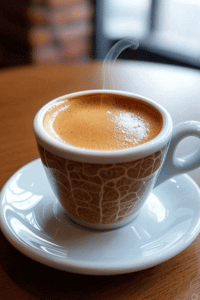
Adorable Espresso Shot Cups That Elevate Every Sip
Cute ceramic espresso shot cups with elegant designs, perfect for cozy cafés or home brews. Shop stylish espresso cups now!
Balancing Coffee vs. Food Positioning
The most common mistake is letting food programs overshadow coffee quality and dilute your coffee shop concept clarity.
Positioning decision framework:
- Coffee-first shops: Food revenue 20-30%, simple items requiring minimal prep
- Balanced cafés: Food revenue 35-45%, moderate kitchen with breakfast/lunch focus
- Food-forward cafés: Food revenue 50%+, full kitchen with coffee as complement
Kitchen requirement reality:
- Minimal: Counter space, small oven, refrigeration ($5,000-$10,000)
- Moderate: Prep area, griddle, sandwich station ($15,000-$30,000)
- Full-service: Complete kitchen buildout ($40,000-$80,000+)
Complementary food programs, elevated pairing experiences, and clear positioning create coffee shop concepts that offer a variety while maintaining an authentic coffee-first identity.
How Do Entertainment and Activity Coffee Shop Concepts Build Community?

Let’s talk about entertainment-driven coffee shop concepts that transform casual visitors into loyal community members. Strategic activity programming creates destinations people choose over staying home with their good book and home brew.
Board Game and Interactive Experience Concepts
Board game café coffee shop concepts encourage extended visits, return customers, and social connections that build devoted followings through shared experiences.
Interactive concept elements:
- Game library: 100-300 board games from classic to modern strategy games
- Game guides: Staff trained to recommend and teach games to newcomers
- Tournament nights: Weekly competitions building a regular customer base
- Private reservations: Birthday parties, team building events, generating event revenue
These concepts average a 2-3 hour customer dwell time vs. 30-45 minutes for standard coffee shops.
Live Music and Performance Programming
Featuring local artists creates a vibrant atmosphere while supporting the creative community. Strategic collaboration with musicians builds authentic neighborhood connections.
Live entertainment strategies:
- Open mic nights: Weekly or monthly slots for local musicians and poets
- Featured artist series: Partner with local music schools and performance groups
- Acoustic sessions: Afternoon performances during slower business hours
- Comedy nights: Stand-up open mics diversifying entertainment offerings
Revenue model considerations:
- Cover charges ($5-10) during premium performances
- Extended dwell time increases food and beverage sales
- Artist collaboration creates cross-promotion to their fan bases

cOFFEE HOODIES
COFFEE T-SHIRTS
EMBROIDERY
Art Gallery and Cultural Hub Concepts
Rotating art exhibitions transform coffee shops into cultural destinations that complement your coffee selection with visual inspiration.
Art-focused concept elements:
- Monthly rotating exhibits: Feature different local artists with opening receptions
- Art sales commission: 20-30% of artwork sales as additional revenue
- Artist meet-and-greets: Special events building relationships between artists and customers
- Community art classes: Painting nights, photography workshops, generating event income
Implementation logistics:
- Sound management for live music (acoustic requirements, volume limits)
- Space allocation (150-300 sq ft for games, art wall space for galleries)
- Scheduling balance (entertainment during slower hours vs. disrupting productive work atmosphere)
Interactive entertainment, live performances, and cultural programming create coffee shop concepts that foster genuine community while driving revenue through extended visits.
What Niche Coffee Shop Concept Ideas Can Help You Stand Out in Competitive Markets?

Let’s talk about specialized coffee shop concepts that dominate specific customer segments in crowded markets. Niche positioning creates devoted followings when generic “good coffee” approaches fail.
Pet-Friendly Coffee Shop Concepts
Pet-friendly coffee shop concepts tap into passionate animal lover communities willing to drive further for spaces where their pets belong. Keep in Mind that some cities have restrictions allowing pets inside coffee shops.
Pet-focused concept elements:
- Outdoor patio design: Spacious areas where customers can enjoy coffee with their dogs
- Pet menu: Puppuccinos, dog treats, fresh water bowls at every table
- Adoption partnerships: Feature adoptable animals from local shelters monthly
- Pet events: Yappy hours, costume contests, training workshops, building community space
Target markets with high pet ownership and limited pet-friendly cafe options.
Coworking Coffee Shop Concepts
Remote workers desperately need productive spaces between home and expensive coworking memberships. This coffee shop concept monetizes extended stays through memberships rather than fighting them.
Coworking-focused features:
- Membership tiers: Day passes ($10-15), monthly unlimited ($99-149) with perks
- Dedicated work zones: Quiet areas separated from social seating
- Meeting rooms: Hourly rentals for video calls and client meetings
- Tech infrastructure: Enterprise WiFi, power at every seat, printing services
Revenue diversifies beyond coffee sales to membership and space rental income.

Espresso Express Crop Tee, The Must-Have Shirt for Every Coffee Mood
Level up your brew style with this custom Champion Espresso Tee, bold, comfy, and made for true coffee lovers. Just say “coffee shirt.”
Coffee Roastery Retail Concepts
In-house roasting coffee shop concepts educate customers about beans from different regions while creating a theater that justifies premium pricing.
Roastery concept elements:
- Visible roasting: Glass-walled roasting area where customers can enjoy watching the process
- Origin education: Detailed information about beans from different regions and sourcing practices
- Tasting experiences: Cupping sessions and flavor profile workshops
- Retail sales: Whole bean sales becoming a significant revenue stream (20-30%)
Niche viability assessment:
- Pet-friendly: Requires neighborhoods with 40%+ pet ownership rates
- Coworking: Needs 500+ remote workers within a 2-mile radius
- Roastery: Demands $50,000+ roasting equipment investment plus expertise
Focused niche targeting, authentic community building, and specialized expertise create coffee shop concepts that dominate specific segments rather than competing generically.
How Do You Test Your Coffee Shop Concept Before Making Major Investments?

Smart entrepreneurs test their coffee shop concept with real customers before signing long-term leases or investing six figures in equipment.
Pop-Up Testing to Validate Your Concept
Pop-up coffee shops let you test your coffee shop concept, menu, pricing, and positioning with actual customers for minimal investment before major commitments.
Low-risk testing opportunities:
- Farmers markets: Weekly stalls testing core menu and bean sourcing stories ($200-500 booth fees)
- Event catering: Festivals, concerts, corporate events, validating service model
- Temporary retail spaces: Short-term leases (1-3 months) in high-traffic areas
- Shared kitchen collaborations: Partner with existing cafes during off-hours
Test whether customers actually pay your prices and respond to your positioning.
Survey and Focus Group Customer Research
Spending $500-1,000 on customer research saves you from investing $150,000 in a concept nobody wants. Direct feedback reveals whether your idea resonates before you commit capital.
Strategic research approaches:
- Online surveys: Target residents about coffee preferences and unmet needs
- Focus groups: 8-10 ideal customers discussing concept appeal, pricing acceptance
- Competitor observation: Spend hours in existing cafes studying customer behavior
- Social media polling: Test menu items, name options, design aesthetics with followers
Ask specific questions about your differentiators, like creating a pet-friendly coffee space or specialty bean sourcing approach.

The Denim Jacket Every Coffee Lover Needs
The perfect denim jacket for coffee lovers, with bold coffee print, comfy fit, and street-ready style. Just say “coffee jacket.”
Soft Launch Risk Mitigation Strategy
Soft launches let you work out operational kinks with forgiving audiences before your reputation depends on flawless execution.
Soft launch framework:
- Friends and family week: Invite 50-100 people for free coffee, honest feedback
- Limited hours: Start with 6-hour days to perfect workflow before full schedule
- Simplified menu: Launch with 60% of planned offerings, add complexity gradually
- Staff training: Give your baristas real-world practice before high-pressure rushes
Critical validation metrics:
- Average ticket hitting $6-8 target range
- Customer willingness to return and recommend
- Operational flow efficiency during rush periods
- Staff’s ability to execute the concept consistently
The perfect blend of low-cost pop-up testing, direct customer research, and gradual soft launch validates that your coffee shop concept works before you’re locked into major financial commitments.
What Makes the Right Coffee Shop Concept for Your Specific Location and Market?

Let’s talk about how location determines which coffee shop concept succeeds or fails. Even brilliant concepts flop in the wrong places, while market-matched positioning thrives with less effort.
Analyze Location Demographics and Competition
Before selecting your coffee shop concept, deeply understand who lives and works nearby, then visit coffee shops already serving them to identify gaps.
Critical location analysis factors:
- Demographics: Age, income, lifestyle patterns of the 1-mile radius population
- Existing competition: Count coffee shops, analyze their concepts and positioning
- Market gaps: What customer needs aren’t being met by current options?
- Traffic patterns: Commuter routes, foot traffic, parking availability
Differentiate your shop by offering what competitors don’t provide to your target customers.
Match Concept to Space and Budget Reality
A coffee roastery concept showcasing the roasting process needs 1,500+ square feet and $100,000 equipment investment. That won’t work in a 600-square-foot space with $50,000 budget.
Concept-space-budget alignment:
- Grab-and-go (600-800 sq ft, $80K-120K): Minimal seating, efficient service focus
- Community café (1,000-1,500 sq ft, $120K-200K): Mixed seating, moderate kitchen
- Roastery café (1,500-2,500 sq ft, $200K-400K): Roasting equipment, education space
- Hybrid concepts (1,500+ sq ft, $150K-300K): Bookstore, gallery, coworking combinations
Right-size your coffee shop concept to realistic constraints.
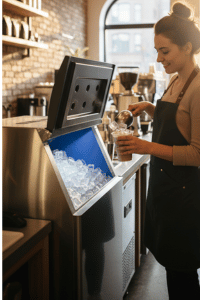
Best Ice Machine for Coffee Shops – Commercial Ice Maker
Keep your café stocked with crystal-clear ice all day. This high-output, energy-efficient ice maker is built for busy coffee shops serving iced lattes, cold brews, and frappés. Compact, durable, and easy to clean — perfect for cafés in New York, Los Angeles, or anywhere in the USA.
Consider Seasonal and Cultural Local Factors
Location type dramatically affects which concepts work. What thrives downtown fails in the suburbs, and vice versa.
Location-specific concept matches:
- College towns: Late hours, study-friendly spaces, affordable pricing
- Business districts: Speed and convenience, mobile ordering, breakfast/lunch focus
- Tourist areas: Instagram-worthy design, local coffee roasters’ storytelling, retail sales
- Residential neighborhoods: Community events, family-friendly atmosphere, roasting process education
Seasonal considerations:
- Summer tourist locations need grab-and-go efficiency
- Winter climates favor cozy third-place concepts
- Year-round markets support specialized niches
Demographic analysis, realistic space/budget matching, and local culture alignment create coffee shop concepts positioned to dominate your specific market rather than fighting uphill battles.
Key Takeaways
- Concept is foundation – Defines all decisions and differentiates you from competitors
- Clear concepts earn more – 15-25% premium pricing, 40% higher customer retention
- Three proven models – Community third place, specialty craft, convenience grab-and-go
- Research-driven creation – Analyze gaps, define a unique proposition, align with passion
- Innovation attracts – Hybrid concepts, experiences, and sustainability stand out today
- Mobile reduces risk – $30K-50K trucks test concepts before $150K+ buildouts
- Food complements – Strategic programs enhance without overshadowing the coffee focus
- Entertainment builds community – Games, music, art create destinations
- Niche dominates segments – Pet-friendly, coworking, roastery capture loyal followings
- Test before investing – Pop-ups and soft launches validate concepts affordably
- Location determines success – Match concept to demographics, space, budget, culture
Final Thoughts
Your coffee shop concept is the foundation of your brand identity; it should differentiate you from the competition, attract your ideal customers, and align authentically with who you are and what your community needs.
Generic coffee shops get lost in the crowd, but distinctive concepts with strong execution become community destinations.
Define your unique positioning, test with real customers, and build the concept that transforms your coffee shop into a brand customers choose repeatedly.
FAQs
What coffee shop concept is most profitable?
Specialty coffee shops focusing on quality with light food service typically achieve the highest profit margins (15-25%), but success depends on execution and market fit more than concept type alone when selling coffee to your target market.
Can you change your coffee shop concept after opening?
Yes, but major concept pivots are expensive and confusing for customers – better to choose a concept clearly upfront and refine details. Minor menu adjustments to your coffee drinks or decor tweaks are a normal and healthy evolution.
Do unique coffee shop ideas attract more customers than traditional concepts?
Distinctive concepts like offering coffee flights or roastery showcases attract attention initially, but only sustainable if execution matches novelty, a great traditional coffee shop beats poorly executed unique coffee creations every time for long-term success.
How do you know if your coffee shop concept will work?
Test through pop-ups, validate with target customer surveys, research competition thoroughly, and ensure concept aligns with location demographics and your authentic capabilities when selling coffee before making major financial commitments to buildout.
What’s the biggest mistake in choosing a coffee shop concept?
Choosing trendy concepts that don’t match your passion, skills, or market needs – authentic concepts aligned with genuine interests and local demand outperform forced coffee creations whenever you choose a concept strategically.
Should you partner with local coffee roasters or roast your own?
Partner with established coffee roasters initially to reduce startup costs and complexity – in-house roasting requires $50,000+ equipment investment and expertise, better added after proving your core coffee drinks concept works successfully.
How important is concept consistency across all touchpoints?
Critical for brand recognition – your concept should be evident in signage, menu design, interior atmosphere, staff training, and coffee creations so customers experience a cohesive identity that builds trust and loyalty through every interaction.