

📊 QUICK ANSWER
How much does it cost to open a coffee shop?
- Small cafe (500-800 sq ft): $80,000-$150,000
- Medium shop (1,000-1,500 sq ft): $150,000-$300,000
- Large/premium (1,500+ sq ft): $300,000-$500,000+
Main cost categories:
- Equipment: $15,000-$80,000
- Build-out: $30,000-$200,000
- Permits/licenses: $3,000-$12,000
- Initial inventory: $5,000-$15,000
- Working capital: $30,000-$100,000
Location matters most; NYC costs 3x more than a small town.
Thinking about opening your own coffee shop, but not sure if you can afford it?
How much does it cost to open a coffee shop?, determines whether your dream becomes reality or stays a fantasy. Most aspiring owners underestimate by 40-60%, then run out of money before opening day.
Here’s the common mistake: You budget $100K, spend $80K on equipment and build-out, then realize you need another $50K for permits, inventory, and working capital.
You scramble for emergency funding or close before your first customer.
The cost to open a coffee shop isn’t one number; it’s a dozen categories. Equipment everyone remembers. Working capital to survive the first six months? Most forget completely.
This guide gives you real numbers from actual coffee shops. You’ll see exactly what you’ll spend on equipment, build-out, permits, inventory, and hidden costs.
We’ll break down coffee shop startup costs by size and location for your specific situation.
By the end, you’ll have a realistic budget that won’t leave you broke before opening.
“Feeling overwhelmed by the paperwork? Let’s work together on your NYC coffee shop marketing so you can focus on opening your doors.”
Explore the coffee directory
Want to see how real coffee shops turn these strategies into sales?
How Much Does It Cost to Open a Coffee Shop by Size?
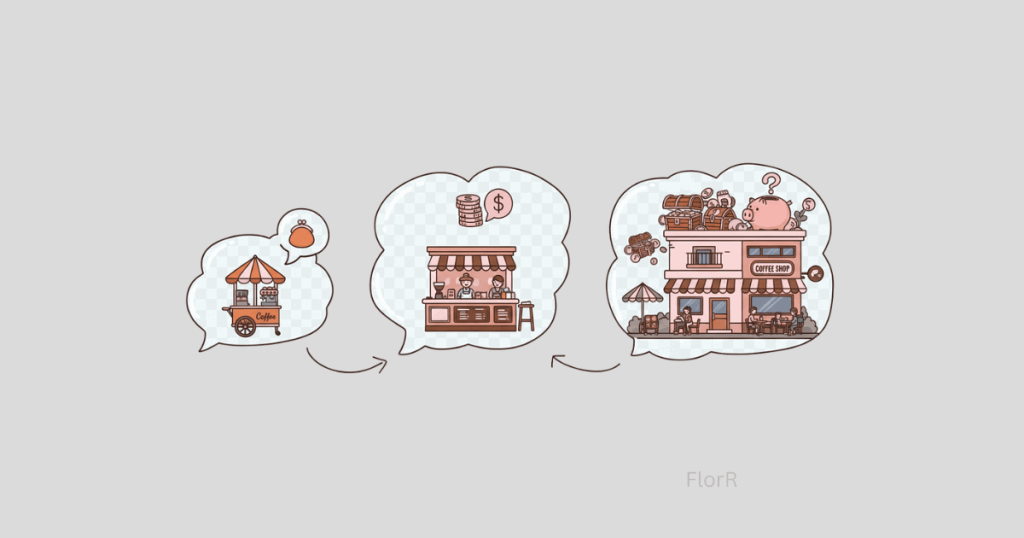
The cost to start a cafe depends on three factors: size, location, and concept.
Coffee shop investment by size:
Small cafe (500-800 sq ft): $80,000-$150,000
- Seats: 15-25 people
- Staff: Owner plus 2-3 part-timers
- Daily capacity: 80-150 transactions
- Best for: Neighborhood spots, grab-and-go concepts
- Example: Corner coffee shop in residential area
Medium shop (1,000-1,500 sq ft): $150,000-$300,000
- Seats: 30-50 people
- Staff: Owner plus 4-6 employees
- Daily capacity: 200-350 transactions
- Best for: Mixed dine-in and takeout, laptop crowd
- Example: Cafe with seating and workspace
This site contains affiliate links. I may earn a commission if you purchase through these links. Thank you for being so supportive!
Large/premium (1,500-2,500 sq ft): $300,000-$500,000+
- Seats: 50-80+ people
- Staff: Manager plus 8-12 employees
- Daily capacity: 400+ transactions
- Best for: Destination cafes, full food menus
- Example: Specialty coffee with bakery program
Location multiplier for cafe startup expenses:
- Small town/suburban: Baseline costs
- Mid-size city: 1.5x baseline
- Major metro (NYC, LA, SF, Chicago): 2-3x baseline
A $100K coffee shop in Ohio costs $250K in Manhattan. Same concept, same equipment, just different real estate costs, labor rates, and permit fees.
Understanding how much does it cost to open a coffee shop in your specific market prevents the sticker shock that kills dreams before they start.
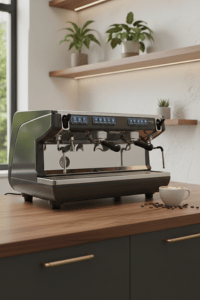
Nuova Simonelli Appia II Espresso Machine for Professional Coffee Bars
This is the Honda Civic of commercial espresso machines. Not sexy, but it starts every morning.
26 inches wide fits almost anywhere. Service is cheap, every tech knows Simonelli inside out.
Coffee Shop Equipment Costs: $15,000-$80,000
Equipment makes or breaks your coffee business costs. Buy too cheap and you’re replacing everything in six months. Overspend and you’re cash-poor before opening.
Essential Equipment Investment
Espresso machine: $5,000-$30,000
- Entry commercial (single group): $5,000-$8,000
- Mid-range (two-group): $12,000-$18,000
- Premium (two/three-group): $20,000-$30,000+
Your espresso machine is your most visible equipment. Customers watch you use it. But a $25,000 machine won’t make you more money than a $12,000 one if your baristas aren’t trained properly.
For current pricing and detailed comparisons, see my guide on commercial espresso machines which breaks down features, brands, and what to look for at each price point.
Grinders: $2,000-$6,000 total
- Espresso grinder: $1,200-$3,000
- Drip/batch grinder: $800-$1,500
- Never cheap out on grinders—they affect taste more than your espresso machine
- Budget $3,000-$4,000 for both quality commercial grinders
Brewing equipment: $2,000-$5,000
- Commercial drip brewer: $800-$2,000
- Cold brew system: $300-$800
- Pour-over setup: $200-$500
- Hot water tower: $400-$800
Refrigeration: $2,000-$5,000
- Under-counter refrigerators: $1,500-$3,000
- Display case for food: $1,000-$3,000
- Ice machine: $1,500-$3,500
Point of sale (POS) system: $2,000-$5,000
- Hardware (iPad, terminal, receipt printer): $800-$1,500
- Software subscription: $50-$200/month
- Payment processing setup: $300-$800
- Initial training: $500-$1,000
Furniture and fixtures: $5,000-$25,000
- Tables and chairs: $3,000-$12,000 (varies by seat count)
- Counter and back bar: $2,000-$8,000
- Shelving and storage: $1,000-$3,000
- Lighting and decor: $1,000-$5,000
Small wares and supplies: $2,000-$5,000
- Cups, saucers, glassware
- Pitchers, tampers, thermometers
- Cleaning supplies and chemicals
Total equipment: $18,000-$78,000 depending on size
For a complete breakdown of every piece you need, check out my essential equipment list for coffee shop startups. It covers everything from must-haves to nice-to-haves with specific recommendations.

Commercial Coffee Brewers

commercial Blenders
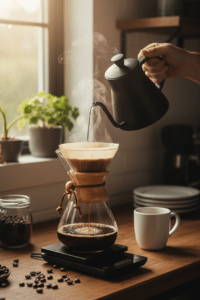
CHEMEX for your Café
New vs Used Equipment Strategy
Smart opening a coffee shop budget planning means knowing where to save and where to invest.
Buy new:
- Espresso grinders (wear patterns affect consistency)
- POS system (technology changes fast, support matters)
- Small wares (health code requirements)
Buy used/refurbished:
- Espresso machines (with warranty from reputable dealer)
- Refrigeration (inspect thoroughly, test before buying)
- Furniture (auctions, closing cafes, restaurant supply)
I helped one owner save $18,000 buying a two-year-old refurbished La Marzocco with a one-year warranty from an authorized dealer. Looked brand new, performed perfectly, cost 40% less than new.
Where to find quality used equipment:
- Authorized refurbished dealers
- Restaurant equipment auctions
- Coffee equipment specialists
- Closing cafe sales
Never buy used equipment without seeing it run. I’d appreciate it if you could bring a technician if you are not familiar with the equipment yourself. A $500 inspection fee saves you from a $15,000 mistake.

cOFFEE HOODIES
COFFEE T-SHIRTS
EMBROIDERY
Build-Out and Renovation: $30,000-$200,000
Your space transformation is usually your biggest single expense in coffee shop startup costs. A raw space needs everything. A former cafe needs updates.
Per square foot costs:
- Basic build-out: $75-$150/sq ft
- Mid-range renovation: $150-$250/sq ft
- Premium/custom: $250-$400+/sq ft
A 1,000 sq ft space costs $75,000 (basic) to $250,000 (premium). That’s just construction, no equipment, no inventory.
Major build-out categories:
Plumbing: $8,000-$25,000
- Water lines to the espresso machine, brewers, and sinks
- Three-compartment sink (health code requirement)
- Grease trap installation if cooking food
- Floor drains for cleaning
- Hot water heater (commercial-grade)
Electrical: $5,000-$20,000
- 220V dedicated line for espresso machine
- Adequate amperage for all equipment
- Customer outlets for laptop use
- Proper lighting throughout
- Emergency exit lighting
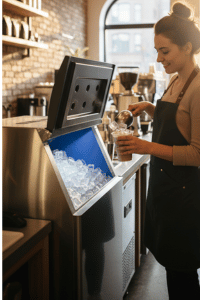
Commercial Ice Machine for Coffee Shops – High-Capacity Ice Production
Keep your café running smoothly with a commercial ice machine designed for high-demand beverage service. Fast production, dependable performance, and built for daily café operations. Explore top-rated models perfect for iced coffees, cold brews, and blended drinks.
HVAC and ventilation: $10,000-$40,000
- Commercial hood system if cooking (most expensive)
- Air conditioning and heating
- Proper ventilation for roasting if applicable
- Make-up air systems
Flooring: $3,000-$15,000
- Commercial-grade (health code approved)
- Sealed concrete, tile, or commercial vinyl
- Must be non-porous and cleanable
- Slip-resistant in kitchen areas
Kitchen buildout: $15,000-$60,000
- Stainless steel prep areas
- Storage and shelving
- Dishwashing area setup
- Equipment installation
Pro tip: Negotiate a buildout allowance in your lease ($20-$50/sq ft). On a 1,000 sq ft space, that’s $25,000 you don’t need to borrow.
Your location strategy significantly affects buildout costs. Former cafes already have plumbing, electrical, and health department-approved layouts. Raw retail spaces need everything installed from scratch.
Permits, Licenses and Insurance for Coffee Shops: $3,000-$12,000
You can’t legally operate without proper permits. These coffee shop funding requirements vary wildly by location, but they’re non-negotiable.
Federal and state permits:
- EIN (Employer Identification Number): Free from IRS
- Business license: $50-$400
- Food service permit: $100-$1,000
- Sales tax permit: Usually free
- Health department inspection: $200-$800
Local permits:
- Building permit: $500-$3,000
- Certificate of occupancy: $100-$500
- Sign permit: $50-$300
- Fire department inspection: $100-$400
- Sidewalk cafe permit (if outdoor seating): $1,000-$5,000
Total permit costs by location:
- Small town: $2,000-$4,000
- Mid-size city: $3,000-$6,000
- Major metro (NYC): $5,000-$12,000
My detailed guide on permits to open a coffee shop breaks down every requirement by state with specific agency contacts and timelines.
Annual insurance costs: $3,000-$8,000
- General liability: $500-$2,000/year (covers customer injuries)
- Workers’ comp: $2,000-$5,000/year (legally required with employees)
- Property insurance: $500-$2,000/year (protects equipment and inventory)
Don’t skip insurance to save $3,000/year. One lawsuit costs more than 50 years of premiums.
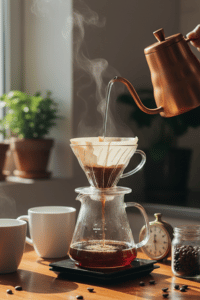
V60 Coffee Maker
COFFEE SCALE
CHEMEX
Initial Inventory and Supplies: $5,000-$15,000
You need product to sell on day one. Most owners underestimate how much inventory costs before generating revenue.
Opening inventory:
- Coffee beans: $1,500-$4,000 (3 months supply at $5-$12/pound)
- Milk and dairy: $500-$1,000 (first month supply)
- Syrups and flavorings: $300-$800
- Cups, lids, sleeves: $1,000-$2,500 (multiple sizes, bulk pricing)
- Food items (if serving): $1,000-$3,000
- Cleaning supplies: $500-$1,000
Don’t forget this $5,000-$15,000 chunk in your cost to open a coffee shop calculations.
Working Capital For Coffee Shop: The $30,000-$100,000 Everyone Forgets
This is where most coffee shops fail. They spend everything on build-out and equipment, then have nothing left to survive the slow first months.
Why you need cash reserves:
Rent before profitability: $10,000-$40,000
- Security deposit (first, last, security): 3 months rent upfront
- Ongoing rent for 3-6 months during ramp-up
- Most coffee shops take 12-18 months to reach profitability
If your rent is $3,000/month, you need $9,000 just to sign the lease. Then another $9,000-$18,000 for rent while you’re building customer base.
Payroll before profitability: $15,000-$50,000
- 3-6 months of staff wages before breaking even
- Usually your second-biggest monthly expense after rent
- Can’t open without trained baristas on staff
Operating expenses: $5,000-$15,000
- Utilities (electricity, water, gas): $500-$1,500/month
- Internet and phone: $100-$300/month
- Supplies replenishment: $1,000-$3,000/month
- Maintenance and repairs
- Credit card processing fees
Marketing and promotions: $3,000-$10,000
- Grand opening promotion budget
- Social media advertising
- Local partnerships
- Professional signage and menus
Understanding your coffee shop profit margins helps you calculate realistic timelines for breaking even.
Working capital by size:
- Small cafe: $30,000-$50,000
- Medium shop: $50,000-$80,000
- Large/premium: $80,000-$150,000
This isn’t optional money. It’s survival capital that determines whether you last long enough to become profitable.
Hidden Costs That Destroy Budgets to Open a Coffee Shop
These are the cafe startup expenses nobody warns you about until the bills arrive.
Professional services: $5,000-$15,000
- Architect and designer: $3,000-$10,000 (commercial kitchen design, floor plans)
- Legal and accounting: $2,000-$5,000 (lease review, business formation)
- Menu design and photography: $1,000-$3,000
Technology beyond POS: $2,000-$5,000
- Website design and hosting: $500-$2,000
- Online ordering integration: $500-$1,500
- Accounting software: $300-$600 annually
- Employee scheduling: $200-$500 annually
Contingency fund: 10-20% of total budget
On a $150,000 budget, that’s $15,000-$30,000 for emergencies. I’ve never seen a coffee shop open without needing their contingency fund at some point.

Nuova Simonelli Appia II 3-Group Espresso Machine
Same bulletproof Appia II reliability, but with a third group head for high-volume operations.
Real Examples: 3 Coffee Shops at Different Costs
Budget Brooklyn Cafe: $95,000 Total
- Location: 600 sq ft former cafe
- Equipment: $18,000 (used two-group espresso machine with warranty, new grinders)
- Build-out: $12,000 (cosmetic updates, paint, flooring, countertop)
- Permits/insurance: $4,000
- Inventory: $6,000
- Working capital: $35,000 (5 months rent + payroll)
- Professional services: $3,000
- Furniture/decor: $7,000
- Contingency: $10,000 (used $6,000)
How they saved: Took over an existing cafe with equipment, the owner did painting and updates, and started with minimal staff.
Mid-Range Manhattan Shop: $235,000 Total
- Location: 1,200 sq ft former retail
- Equipment: $45,000 (all new commercial-grade)
- Build-out: $95,000 (full kitchen from scratch)
- Permits/insurance: $12,000 (NYC premium)
- Inventory: $12,000
- Working capital: $60,000 (NYC rent $6,000/month)
- Professional services: $8,000
- Furniture/decor: $15,000
- Contingency: $20,000 (used $17,000)
Why higher: NYC location requires expensive everything, raw space needed full buildout, higher rent needed bigger reserves.
Premium LA Concept: $420,000 Total
- Location: 1,800 sq ft, affluent area
- Equipment: $85,000 (three-group machine, full bakery equipment)
- Build-out: $180,000 (custom design, high-end finishes)
- Permits/insurance: $15,000
- Inventory: $20,000
- Working capital: $100,000 (high rent + 8 employees)
- Professional services: $15,000
- Furniture/decor: $25,000
- Contingency: $35,000 (used $28,000)
Why premium: Full commercial kitchen for food program, high-end finishes, extensive bakery equipment, larger staff.
How to Reduce Costs Without Sacrificing Quality

Smart opening a coffee shop budget planning means strategic savings, not cheap shortcuts.
Equipment savings:
- Buy refurbished with warranty (save 30-50%)
- Lease instead of buy (preserve working capital)
- Start with two-group instead of three-group machine
- Add second grinder after six months once volume proves need
Build-out savings:
- Choose a former cafe space (existing health department approval)
- DIY painting and finishes (not plumbing or electrical)
- Phase your opening (start with basic menu, add food later)
- Negotiate longer lease for lower monthly rent
Operating savings:
- Start with smaller staff (owner works as barista initially)
- Hire part-time before full-time employees
- Cross-train everyone for maximum flexibility
- Use roaster who provides free equipment for exclusive bean contract
Knowing how to start a coffee shop from scratch helps you prioritize where money creates the biggest impact on customer experience.
Your Next Steps to Budget Your Coffee Shop
Now you know how much does it cost to open a coffee shop and exactly where every dollar goes.
Start your budget this week:
- Decide your concept size and style (small neighborhood, medium mixed-use, or large destination)
- Research your specific location’s cost multiplier (visit local shops, talk to other owners)
- Create a spreadsheet with the 7 major cost categories
- Add 15-20% contingency to your total for unexpected expenses
- Figure out your funding mix (savings, loans, equipment financing)
The difference between coffee shops that open successfully and those that fail before launching is realistic budgeting. You can’t cut corners on permits or working capital.
But you can make strategic choices about equipment, build-out level, and opening size.
Your cafe startup expenses determine whether you launch strong or struggle from day one. Budget realistically now to avoid desperate scrambling later.
Ready to move forward? Check out my complete guide to starting a coffee shop for the full roadmap from concept to opening day.
Need help creating a detailed budget for your specific situation? I work with coffee shop owners to develop realistic financial plans that secure funding. Let’s talk about your coffee shop.
Ready to Open Your Coffee Shop?
Get listed in our NYC Coffee Directory once you’re open and reach thousands of coffee lovers.
From understanding the complete cost to open a coffee shop to building a comprehensive marketing strategy, I’ll help you launch without running out of money.
Related Guides:
- 7 Best Commercial Espresso Machines for Small Coffee Shops
- Should You Buy or Lease an Espresso Machine?
- Essential Equipment List for Coffee Shop Startups
- Coffee Shop Business Plan Guide
- Opening A Coffee Business
Opening soon? I help coffee shops with Google My Business optimization and Local SEO for successful soft openings. Contact me →
Own a coffee shop? See how you compare.
Explore real coffee shops applying the strategies you just learned—then add your café to the directory to get discovered by customers searching by location.
Frequently Asked Questions
How much money do you need to open a small coffee shop?
Budget $80,000-$150,000 for a small coffee shop (500-800 sq ft) including equipment ($15K-$30K), build-out ($20K-$50K), permits ($2K-$5K), inventory ($5K-$8K), and working capital ($30K-$50K).
Small-town cafes cost 50% less than big-city shops.
What is the most expensive part of opening a coffee shop?
Build-out and renovation ($30,000-$200,000) are typically biggest, followed by equipment ($15,000-$80,000) and working capital reserves ($30,000-$100,000). Location dramatically affects which category costs most.
Can you open a coffee shop for under $50,000?
Extremely difficult. You’d need a former cafe space requiring minimal build-out, all used equipment with warranties, no employees initially (owner-operated), and operate in a very low-cost area.
Most $50K budgets fail because they lack adequate working capital.
How long before a coffee shop becomes profitable?
Most coffee shops take 12-18 months to reach profitability and 2-3 years to fully pay back the initial investment. Your profit margins typically run 10-15% net profit once established, but in the early months often lose money.
Should I buy or lease coffee shop equipment?
Lease equipment if you need to preserve working capital; this is usually the smarter move for new owners. Buy with cash if you have it and want to save long-term (leasing costs 30-40% more total).
Most new owners lease major equipment and buy smaller items.
What costs do coffee shop owners usually forget?
Working capital reserves, professional services (architect, lawyer), insurance, marketing budget, technology subscriptions, and contingency funds.
These “hidden” costs add $30,000-$60,000 to budgets and cause cash flow problems if forgotten.


