This site contains affiliate links. I may earn a commission if you purchase through these links. Thank you for being so supportive!
You’re throwing away $500-$1,000 every month.
Not on rent. Not on labor. On expired milk, stale pastries, over-ordered beans, and products that sit in your stockroom until they’re worthless.
Effective coffee shop inventory management is the difference between a 5% profit margin and a 10% profit margin. That’s the difference between barely surviving and actually making money.
Most café owners wing it. They order when things look low. They guess what they’ll need next week. They discover expired products during Friday rush when a customer orders something that’s been sitting in the back for three weeks.
Poor inventory management doesn’t just waste product; it kills your coffee shop’s profit margins through over-ordering, spoilage, theft, and emergency orders at premium prices.
Here’s exactly how to implement coffee shop inventory management systems that reduce waste, prevent stockouts, and increase your profit starting this week.
Explore the coffee directory
Want to see how real coffee shops turn these strategies into sales?
What Is Coffee Shop Inventory Management (And Why It Matters More Than You Think)

Coffee shop inventory management is the system you use to track, order, store, and use every product in your café; from coffee beans and milk to cups, syrups, and pastries.
Good inventory management answers three questions:
- What do I have right now?
- What do I need to order?
- When should I order it?
Without a system, you’re operating blind. You over-order items that sit until they expire. You run out of popular products during peak hours. You can’t identify theft or waste because you never tracked what you had in the first place.

V60 Coffee Maker

COFFEE SCALE

CHEMEX
The Real Cost of Poor Inventory Management
Industry data shows that coffee shops with poor inventory management waste 10-15% of their Cost of Goods Sold (COGS) through:
- Spoilage: Expired milk, stale pastries, old beans
- Over-ordering: Buying too much of slow-moving items
- Theft: Staff taking products without anyone noticing
- Emergency orders: Paying premium prices for rush delivery
- Lost sales: Running out of popular items during peak times
If your monthly COGS is $10,000, poor inventory management wastes $1,000-$1,500. Over a year, that’s $12,000-$18,000 in pure profit loss.
The Core Inventory Management Systems Every Coffee Shop Needs
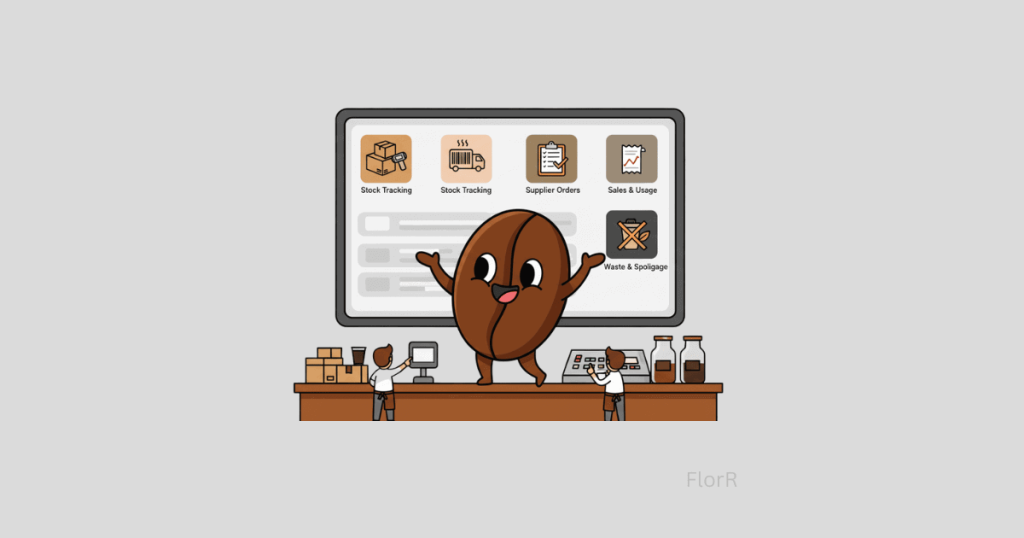
You don’t need expensive software to start. You need consistent systems. Here’s what works:
Par Levels: Your Foundation
Par levels are the minimum amount of each product you should have on hand. When inventory drops below par, you order more.
How to set par levels:
Calculate weekly usage for each item. If you use 12 gallons of whole milk weekly, your par level might be 15 gallons (weekly usage + 25% buffer). When you drop to 15 gallons, order more.
Example par levels:
- Whole milk: 15 gallons
- Oat milk: 8 gallons
- Medium roast beans: 20 pounds
- Large hot cups: 500 units
- Vanilla syrup: 4 bottles
Par levels prevent both stockouts and over-ordering. They remove guesswork from ordering decisions.

cOFFEE HOODIES
COFFEE T-SHIRTS
EMBROIDERY
First In, First Out (FIFO): Prevent Waste
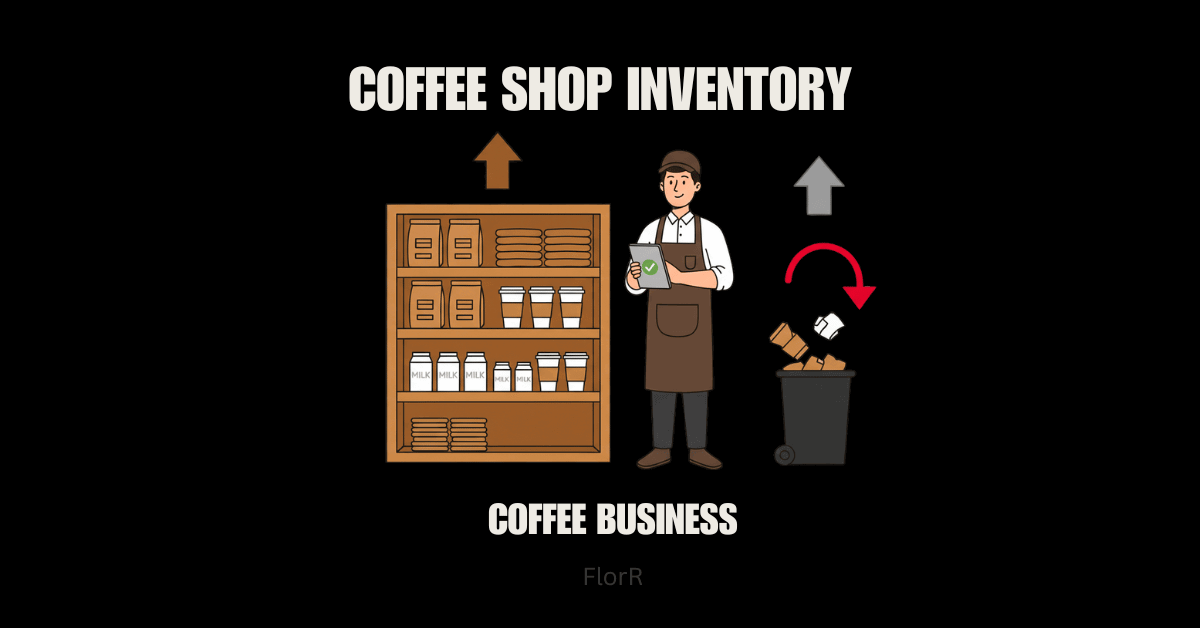
FIFO means using oldest products first. When new milk arrives, put it behind old milk. When restocking beans, move older bags to the front.
Without FIFO, new products hide old products. You discover expired items weeks later buried in the back.
FIFO in practice:
- Date everything when it arrives
- Store new items behind old items
- Check dates during morning prep
- Rotate stock during slow periods
One café reduced milk waste from $300 monthly to $80 just by implementing consistent FIFO practices.

Commercial Coffee Brewers

commercial Blenders
CHEMEX for your Café
Regular Inventory Counts: Know What You Have
You can’t manage what you don’t measure. Count inventory regularly, weekly for high-turnover items, monthly for everything else.
What to count:
- Dairy and milk alternatives (weekly)
- Coffee beans (weekly)
- Syrups and flavorings (bi-weekly)
- Cups, lids, sleeves (monthly)
- Cleaning supplies (monthly)
Counts don’t need to take hours. One person can count a small café’s inventory in 30-45 minutes with a simple spreadsheet.
How to Reduce Waste Through Better Coffee Shop Inventory Management
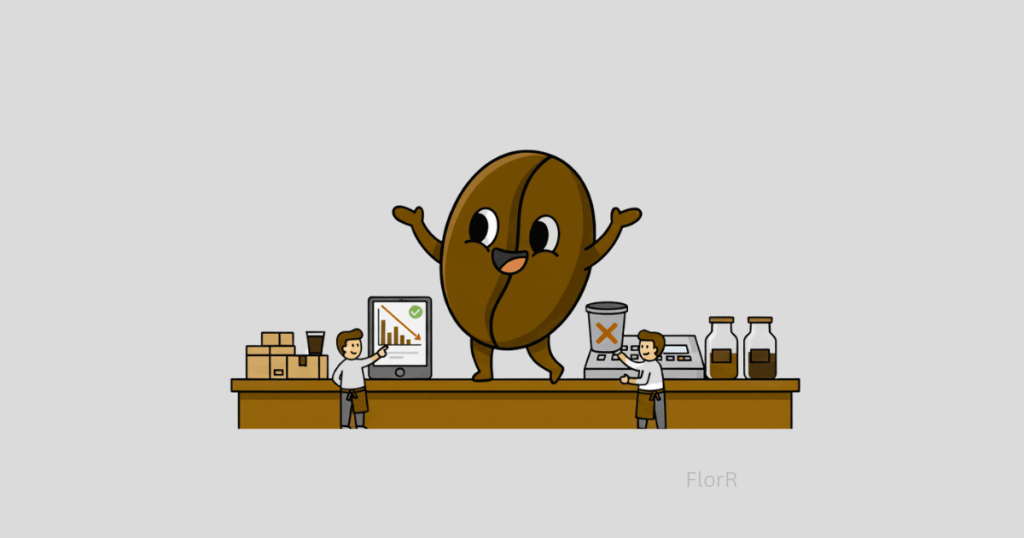
Waste happens in predictable places. Fix these, and you’ll keep thousands more dollars annually.
Problem #1: Milk Waste
Milk is perishable, expensive, and easy to waste. The average coffee shop throws away 5-10% of milk purchased.
Solutions:
Order based on actual usage: Track milk usage daily for two weeks. If you use 8 gallons of oat milk weekly, don’t order 12 “just in case.”
Check expiration dates at delivery: Reject milk with less than 5 days until expiration. Distributors sometimes push older inventory to cafés that don’t check.
Use smaller containers: Four 1-gallon containers give more flexibility than one 4-gallon container. You can open as needed rather than exposing all product to air and contamination.
Create a “use first” section: Designate one fridge spot for milk expiring within 2 days. Baristas know to grab from this section first.
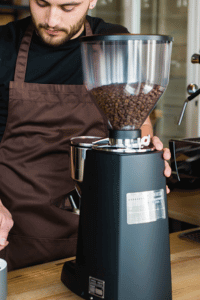
High-Output Commercial Coffee Grinder – Barista-Grade Consistency
Equip your café with a commercial grinder engineered for speed, consistency, and nonstop service. Designed for high-volume coffee shops that need precise grind size, powerful motors, and reliable performance every day. Explore top grinders trusted by professionals.
Problem #2: Pastry and Food Waste
Baked goods have short shelf lives. Order too many, and you’re literally throwing money in the trash.
Solutions:
Track sales by day and time: Croissants might sell out by 10 AM on weekdays but sit unsold on Sunday afternoons. Adjust orders accordingly.
Implement day-old discounts: Sell yesterday’s pastries at 50% off rather than throwing them away. Some revenue beats no revenue.
Partner with local organizations: Donate unsold food to shelters or food banks. It’s good for the community and may provide tax benefits.
Reduce variety: Offering 15 pastry types sounds great but creates waste. Eight popular options with consistent quality beats variety that sits.
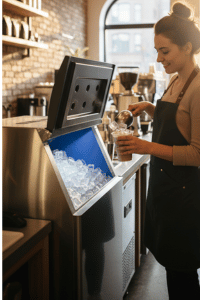
Commercial Ice Machine for Coffee Shops – High-Capacity Ice Production
Keep your café running smoothly with a commercial ice machine designed for high-demand beverage service. Fast production, dependable performance, and built for daily café operations. Explore top-rated models perfect for iced coffees, cold brews, and blended drinks.
Problem #3: Coffee Bean Staleness
Coffee beans are at peak freshness for 2-3 weeks after roasting. Order too much, and you’re serving stale coffee.
Solutions:
Order weekly, not monthly: Smaller, more frequent orders keep beans fresh. The slight increase in delivery frequency is worth the quality improvement.
Track bean usage by variety: If you sell 20 pounds of medium roast weekly but only 4 pounds of dark roast, adjust orders accordingly.
Store properly: Use airtight containers in a cool, dark location. Never refrigerate or freeze beans; moisture creates condensation that can ruin the flavor.
Rotate stock religiously: Use FIFO. Mark roasts dates in bags. Train staff to always grab the oldest beans first.

Commercial Under-Counter Fridge – Built for Daily Coffee Shop Operations
Optimize your coffee shop with a commercial under-counter refrigerator designed for speed, efficiency, and tight spaces. Perfect for milk, syrups, and quick-access ingredients. Built for busy cafés that need reliable cooling all day. Explore top-rated models made for professional service.
Problem #4: Over-Ordering Slow-Moving Items
That seasonal syrup seemed like a great idea. Now you have 8 bottles sitting in storage because it only sold during the first week.
Solutions:
Start small with new items: Order minimum quantities when testing new products. You can always order more if something’s popular.
Track sales data: Your POS system shows what sells. If an item moves fewer than 5 units weekly, consider discontinuing it.
Set expiration reminders: Use your phone or calendar to track when items expire. Check stock 30 days before expiration so you can discount or discontinue slow movers.
Inventory Tracking Tools That Actually Work
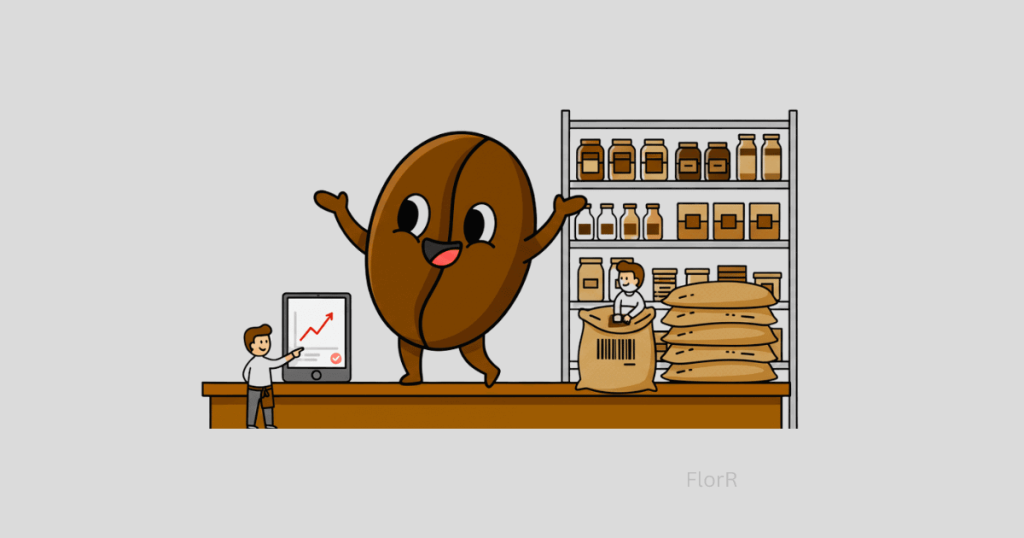
You don’t need to spend thousands on inventory software. Start simple, then upgrade as needed.
Spreadsheet Systems (Free – $10/month)
Google Sheets or Excel work perfectly for small cafés. Create columns for:
- Item name
- Par level
- Current count
- Date of last order
- Supplier
- Cost per unit
Update weekly. Takes 10 minutes once you have the template built.
Modern Coffee Shop Furniture
Contemporary coffee shop furniture is designed for style and comfort. Create an inviting, elegant space where customers can relax, connect, and enjoy every cup in a modern atmosphere.
Inventory Management Apps ($30-$100/month)
Apps like MarketMan, BlueCart, or SimpleOrder integrate with POS systems and automate ordering. They track usage patterns and suggest order quantities.
Worth it if:
- You manage multiple locations
- You want automated alerts when items hit par levels
- You need detailed cost analysis by item
Skip it if:
- You’re a single-location café with under $20K monthly revenue
- You don’t have reliable internet in your storage areas
- Your POS doesn’t integrate well with inventory apps
POS Integration (Included with most modern POS)
Modern POS systems like Square, Toast, or Clover track sales by item. You can see exactly how many lattes, croissants, or bags of beans you sold.
Use this data to inform ordering decisions. If you sold 200 lattes last week, you’ll need roughly the same amount of espresso and milk this week (adjusting for trends).
Creating Your Coffee Shop Inventory Management Routine

Systems only work if you use them consistently. Here’s a weekly routine that takes less than 2 hours total:
Monday Morning: Quick Count
- Count high-turnover items (milk, beans)
- Check expiration dates
- Note what’s running low
- Takes 15 minutes
Wednesday: Full Weekly Count
- Count all inventory
- Update spreadsheet or app
- Identify items below par level
- Create order list for Thursday
- Takes 45 minutes

HIGH TABLE
With Stools

LONG TABLE
With Stools

BLACK TABLE
With Chairs
Thursday: Place Orders
- Submit orders to all suppliers
- Confirm delivery dates
- Update order tracking
- Takes 20 minutes
Friday/Saturday: Receive Deliveries
- Check quantities against invoices
- Verify quality and expiration dates
- Date and store using FIFO
- Update inventory counts
- Takes 30 minutes per delivery
Total time investment: 2 hours weekly. Return on investment: $500-$1,000 monthly in reduced waste.
Key Takeaways
- Poor coffee shop inventory management wastes 10-15% of COGS through spoilage, over-ordering, and theft
- Par levels eliminate guesswork—order when stock drops below minimum needed
- FIFO (First In, First Out) prevents products from expiring before use
- Weekly counts for high-turnover items, monthly for everything else
- Milk, pastries, and coffee beans are the three biggest waste categories
- Start with simple spreadsheet systems before investing in expensive software
- Consistent weekly routines take 2 hours but save $500-$1,000 monthly
Final Thoughts
Effective coffee shop inventory management isn’t glamorous. Nobody opens a café dreaming about counting milk gallons and tracking expiration dates.
But it’s the difference between a café that survives and one that thrives. Reducing waste from 15% to 5% of COGS adds $1,000+ monthly to your bottom line without selling a single extra drink.
Start this week. Pick one high-waste category—milk, pastries, or beans. Implement par levels and FIFO. Track results for 30 days. You’ll see immediate improvement.
Coffee shop inventory management protects your profit margins more than any marketing campaign or menu item ever will. It’s not exciting, but it’s essential.
Own a coffee shop? See how you compare.
Explore real coffee shops applying the strategies you just learned—then add your café to the directory to get discovered by customers searching by location.
FAQs
What is coffee shop inventory management?
Coffee shop inventory management is the system for tracking, ordering, storing, and using all products in your café. I
t includes setting par levels (minimum stock amounts), implementing FIFO (First In, First Out) rotation, conducting regular counts, and using data to make smart ordering decisions.
Good inventory management reduces waste and prevents stockouts.
How often should I count coffee shop inventory?
Count high-turnover items like milk, beans, and popular syrups weekly. Count everything else, cups, lids, cleaning supplies, and slow-moving items, monthly.
If you notice unexplained shrinkage or theft, increase counting frequency temporarily. Most small cafés can complete weekly counts in 30-45 minutes.
What are par levels in inventory management?
Par levels are the minimum quantity of each product you should have on hand. When inventory drops to par level, you order more.
Calculate par levels by determining weekly usage plus a safety buffer (typically 20-30%). Par levels prevent both stockouts and over-ordering by removing guesswork from ordering decisions.
How can I reduce coffee shop waste?
Reduce waste by setting accurate par levels based on real usage and tracking daily sales to predict demand.
Order smaller, more frequent quantities, follow FIFO rotation, check expiration dates at delivery, create “use first” zones, and train staff on portion control and proper storage.
What inventory management software works for small coffee shops?
Small coffee shops can start with free Google Sheets templates. For $30-$100 monthly, apps like MarketMan, BlueCart, or SimpleOrder offer POS integration and automated ordering.
Most modern POS systems (Square, Toast, Clover) include basic inventory tracking. Choose based on your budget and whether you need features like multi-location management or automated ordering alerts.
How much does poor inventory management cost coffee shops?
Poor inventory management typically wastes 10-15% of Cost of Goods Sold through spoilage, over-ordering, theft, and emergency orders.
For a café with $10,000 monthly COGS, that’s $1,000-$1,500 wasted monthly or $12,000-$18,000 annually.
Implementing proper inventory systems can recover 50-70% of this waste, adding significant profit without increasing sales.
What’s the biggest inventory waste in coffee shops?
Milk and dairy alternatives are typically the biggest waste source; they’re expensive, perishable, and used in high volumes.
Many cafés waste 5-10% of milk purchased through expiration, over-pouring, or improper storage. Pastries and baked goods are second due to their short shelf life.
Coffee bean waste is a lower percentage-wise, but it impacts quality significantly when beans go stale.