This site contains affiliate links. I may earn a commission if you purchase through these links. Thank you for being so supportive!
Knowing how to hire and train baristas is the difference between a café that struggles and one that thrives. You’ve invested thousands in equipment. You source incredible beans. Your design is perfect.
But customers keep leaving one-star reviews.
The problem? Your baristas don’t care. They serve lukewarm lattes, forget regular customers’ names, and spend more time on their phones than making eye contact.
That $15,000 espresso machine means nothing when the person behind it treats your dream like just another job.
Your baristas are your brand. They’re the first impression, the last memory, and the reason someone becomes a regular or never comes back.
You can have the best business plan, perfect menu design, and incredible beans, but if your team doesn’t represent your vision, you’re fighting an uphill battle.
Here’s exactly how to hire and train baristas who become the heart of your coffee shop, from finding the right candidates to building a team that customers love.
Explore the coffee directory
Want to see how real coffee shops turn these strategies into sales?
Why Learning How to Hire and Train Baristas Matters More Than Your Equipment

Replacing a trained barista costs between $3,000 and $5,000 when you factor in recruiting time, training hours, and lost productivity. That’s not counting the customers you lose because your new hire is still learning during morning rush.
The Specialty Coffee Association found that coffee shops with high barista turnover see a 23% drop in customer satisfaction scores. When regulars walk in and don’t see familiar faces, they feel less connected to your café.
Great baristas do more than just not quit:
- Create your customer experience – People remember how you made them feel
- Drive sales through relationships – Baristas who know Sarah takes oat milk can suggest new drinks before she asks
- Train your next generation – Your best baristas become future shift supervisors
- Increase revenue – One exceptional barista can boost daily sales by $200-$300 through genuine connections and smart upselling
Skills can be taught. You can train someone to pull perfect espresso shots in two weeks. But you can’t teach someone to genuinely care about making a stranger’s morning better. That’s why hiring the right baristas from the start is critical.

cOFFEE HOODIES
COFFEE T-SHIRTS
EMBROIDERY
What to Look for When Hiring Baristas (It’s Not Experience)
Most café owners make hiring mistakes by focusing solely on résumés. Five years of barista experience! Latte art champion!
Then that person shows up late, complains constantly, and treats customers like interruptions.
Hire for Attitude, Train for Skill
The best baristas often have zero coffee experience when they start. What they do have:
- Genuine friendliness – They enjoy talking to strangers
- Reliability – They show up on time without excuses
- Curiosity – They ask questions and want to learn
- Hustle – They see what needs doing and do it
A former teacher with no food service experience can turn first-time visitors into regulars faster than a burned-out barista with perfect latte art skills. When you hire baristas based on personality, you’re building a foundation for training success.

V60 Coffee Maker

COFFEE SCALE

CHEMEX
Red Flags That Mean “Don’t Hire This Person”
Trust your gut during the hiring process. Watch out for:
- Can’t make eye contact or smile during conversation
- Complains about every previous employer
- Only asks about pay, benefits, time off—never about your coffee
- Shows up late or unprepared to the interview
- Can’t give specific examples when you ask behavioral questions
Ignore red flags because you’re desperate for staff, and you’ll pay for it. That person who bad-mouthed three previous jobs? They’ll complain about you next and bring down your whole team’s energy.
Interview Questions That Actually Tell You Something

Skip generic questions. Ask things that reveal how someone thinks:
- “What’s your favorite café and why?” (Shows what they value)
- “Tell me about a time you dealt with a difficult customer.” (Reveals problem-solving)
- “If you made the wrong drink, how would you fix it?” (Tests accountability)
- “What does great customer service look like?” (Shows their philosophy)
- “Why do you want to work HERE specifically?” (Tests genuine interest)
Here’s the secret: Have promising candidates work a 2-hour paid trial shift during a moderately busy time. You’ll learn more watching them interact with customers than ten interviews could tell you.
A candidate who interviews beautifully but freezes when three customers order at once? Better to find out during a paid trial than two weeks into employment.
Where to Find Baristas Who Want to Work in Coffee

Posting “Help Wanted” on Indeed gets you 200 résumés from people who apply to everything. Effective barista hiring requires more strategic sourcing.
Better Sources for Quality Candidates
Your own customers: Put a “We’re Hiring” sign in the café. Regulars who already love your vibe often know someone perfect.
Local coffee community: Post in regional coffee Facebook groups, Instagram pages, or barista forums. People already in coffee culture are passionate about it.
Culinary and hospitality programs: Partner with local community colleges. Students need practical experience and often make excellent hires.
Your current team’s networks: Ask your best baristas if they know anyone. Good people know good people.

Commercial Coffee Brewers

commercial Blenders
CHEMEX for your Café
Write a Job Post That Attracts the Right People
Your job post should sound like your café, not corporate HR.
Bad (Generic): “Seeking experienced barista for busy coffee shop. Must have 2+ years experience. Competitive wages.”
Good (Personality): “We’re a neighborhood café where everyone knows your name, not trying to be Starbucks (no shade, just not our vibe).
Looking for someone who loves actual conversations, takes pride in their work, and wants to create a space people crave. Coffee skills are a bonus; we can teach those. Being a genuinely good human who shows up on time? Can’t teach that.”
The second one scares away wrong-fit candidates and attracts people who match your energy.
Be honest about:
- Actual hours (including early mornings and weekends)
- The pace (intense rushes or steady flow?)
- What makes your café different
- Growth opportunities
How to Train Baristas Who Represent Your Brand

Getting barista training right makes everything else easier. Rush it, and you’ll spend months fixing problems. Here’s how to train baristas effectively.
Week One: Foundation and Culture
Most new baristas need three to four weeks before they’re ready for solo morning rush shifts. Some pick it up in two weeks. Others need a full month. That’s okay.
Don’t just hand them a drink recipe and say “memorize this.” Start with your story. Why did you open this café? Where do your beans come from? What makes you different?
Week one training priorities:
- Shadow your best baristas for full shifts
- Learn equipment basics (safety first, then technique)
- Taste different beans and brewing methods
- Meet regular customers and start learning names
- Understand your menu philosophy
Around day four, new hires realize that customers aren’t just ordering coffee; they’re checking in about weekends, asking about their dogs, and sharing life updates. That’s when they understand what your café is really about.
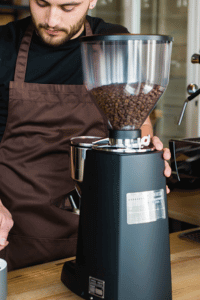
High-Output Commercial Coffee Grinder – Barista-Grade Consistency
Equip your café with a commercial grinder engineered for speed, consistency, and nonstop service. Designed for high-volume coffee shops that need precise grind size, powerful motors, and reliable performance every day. Explore top grinders trusted by professionals.
Weeks Two and Three: Building Technical Skills
Now develop speed and consistency without sacrificing quality. This is where your barista training program really pays off.
Core skills to master:
- Espresso extraction: Grind size, dose, temperature, pressure
- Milk steaming: Microfoam texture (not just hot milk with bubbles)
- Drink assembly: Speed + accuracy + presentation
- Taste development: Knowing what correctly made drinks should taste like
Have them make every drink on your menu multiple times. They should taste their own work. When they can identify what’s wrong with a poorly steamed cappuccino, they’re ready for customers.
Managing the learning curve:
Put new baristas on slower shifts first. Tuesday afternoon, not Saturday morning. As they improve, gradually shift them into busier times.
Pair new hires with different experienced baristas. They’ll pick up various techniques and find their own style.
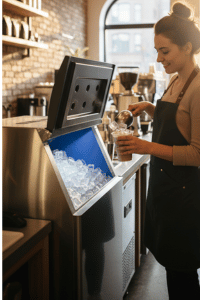
Commercial Ice Machine for Coffee Shops – High-Capacity Ice Production
Keep your café running smoothly with a commercial ice machine designed for high-demand beverage service. Fast production, dependable performance, and built for daily café operations. Explore top-rated models perfect for iced coffees, cold brews, and blended drinks.
Week Four and Beyond: Reading Customers and Working Independently
By week four, the mechanics should be solid. Now they’re learning the art of customer service. This phase separates adequate baristas from exceptional ones.
Advanced skills that separate good from great:
- Reading the room: Knowing when someone wants to chat versus when they’re rushing
- Natural upselling: “Have you tried our new pastries?” not “Do you want to add anything?”
- Handling rushes calmly: Staying organized when ten orders come in at once
- Problem-solving independently: Fixing mistakes without panicking
Great baristas develop a sense for what customers need before being asked. They notice Sarah’s been ordering the same latte for months and suggest the seasonal drink. They remember Marcus mentioned vacation and ask how it was.
Creating a Culture Where Baristas Actually Care

Training baristas covers the “how.” Culture creates the “why should I care?”
Make Them Part of Something Bigger
Your baristas need to understand they’re not just coffee-making robots. They’re creating an experience and building community.
When you explain why you price drinks a certain way, they can confidently explain value to customers. When they know the story behind your beans, they become passionate ambassadors. When they understand your café concept, they embody it naturally.
Schedule monthly coffee cuppings where the team tastes new beans, discusses flavor profiles, and votes on seasonal offerings. Make them feel invested in decisions.

Commercial Under-Counter Fridge – Built for Daily Coffee Shop Operations
Optimize your coffee shop with a commercial under-counter refrigerator designed for speed, efficiency, and tight spaces. Perfect for milk, syrups, and quick-access ingredients. Built for busy cafés that need reliable cooling all day. Explore top-rated models made for professional service.
Give Them Ownership (Within Boundaries)
Baristas who feel like mindless order-takers don’t stick around. Give them room to add personality:
- Let them create a “barista’s choice” special drink
- Encourage personal connections with regulars (not scripted interactions)
- Ask for input on playlist, menu items, or improvements
- Allow flexibility in how they engage customers
One quiet barista might build relationships through attention to detail rather than conversation. That’s just as valuable as the chatty barista who knows everyone’s life story.
The balance: Brand consistency + individual personality = memorable service
What Keeps Good Baristas From Quitting

The average food service employee stays in a job for 2.1 years. Coffee shops with strong cultures keep baristas for 3-5 years or longer. Effective barista retention starts with smart hiring and training.
Yes, Pay Matters
Research competitive wages in your market and pay slightly above that. Even $1-2 extra per hour makes a difference.
Beyond base pay:
- Fair tip distribution (transparent and consistent)
- Performance-based raises (tie increases to skills mastered)
- Benefits if possible (free drinks, discounted food, flexible scheduling)
Calculate the cost of constant turnover, recruiting, training time, lost productivity, and customer dissatisfaction. Paying good baristas well is cheaper than the revolving door.
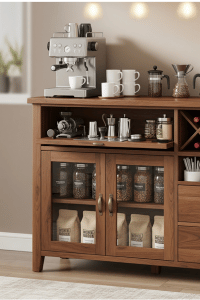
Modern Coffee Shop Furniture
Contemporary coffee shop furniture is designed for style and comfort. Create an inviting, elegant space where customers can relax, connect, and enjoy every cup in a modern atmosphere.
Money Doesn’t Fix Everything
Cafés that pay above market but still lose employees usually have terrible schedules, no growth opportunities, or toxic culture.
What great baristas value beyond money:
- Respect for their time: Consistent schedules, advance notice for changes, honoring time-off requests
- Growth opportunities: Learning new skills, taking on responsibilities, clear paths to leadership
- Being treated like humans: Understanding they have lives outside work
- Autonomy: Trust to make decisions without micromanagement
- Recognition: Acknowledging good work, not just criticizing mistakes
When you work around a nursing student’s class schedule and celebrate when they pass exams, they stay loyal. When you invest in people’s lives, they invest in your business.

HIGH TABLE
With Stools

LONG TABLE
With Stools

BLACK TABLE
With Chairs
Create Career Paths (Even in Small Cafés)
Even small shops can create growth opportunities for baristas:
Progression possibilities:
- Barista → Lead Barista (trains new hires)
- Shift Supervisor (manages opening/closing, handles issues)
- Social Media Coordinator (creates content during shifts)
- Event Organizer (plans tastings, community events)
- Inventory Manager (orders, tracks, reduces waste)
Pay increases don’t have to be massive, $1-2 more per hour for additional responsibilities shows you value growth. Send promising employees to coffee conferences or competitions.
Handling Problems Before They Explode

Address issues early before they become bigger problems. Good barista management means proactive problem-solving.
Common Issues and Quick Fixes
Problem: Barista seems checked out or disengaged
What to do: Have a real conversation. “I’ve noticed you seem less excited lately. What’s going on?” Sometimes it’s burnout or personal issues. Small adjustments often fix it.
Problem: Inconsistent quality
What to do: Retrain fundamentals. Watch them work and give specific feedback: “Your milk texture was perfect yesterday, but today it’s too foamy, let’s figure out what’s different.”
Problem: Can’t work well with the team
What to do: Sometimes it’s a personality clash that better scheduling fixes. Sometimes it’s one person bringing everyone down. Address it directly.
Problem: Constantly on their phone
What to do: Set clear phone policies from day one. “Phones stay in the back except for emergencies.” Enforce it consistently.

Modern Café Stools – Stylish Comfort for Coffee Shops & Homes
Upgrade your space with Modern Café Stools – sleek, durable, and designed for comfort. Perfect for coffee shops, kitchens, and bars. Blend style and function for the ultimate seating experience
When It’s Time to Let Someone Go
Before firing, ask yourself:
- Have I clearly communicated the problem?
- Have I given specific, actionable feedback?
- Have I offered opportunities to improve?
- Have I documented the issues?
If yes to all four and nothing’s changed, it’s time.
How to fire someone respectfully:
- Do it privately, never in front of customers or staff
- Be direct: “This isn’t working out. Today is your last day.”
- Don’t debate or over-explain
- Pay them for the day and any owed time
Keeping a bad employee hurts team morale more than being short-staffed. Your good baristas will resent carrying dead weight.
Key Takeaways: Mastering How to Hire and Train Baristas
- Your baristas make or break your café’s reputation—invest in finding the right people
- Hire for attitude and cultural fit; technical skills can be taught in 2-3 weeks
- Barista training takes 3-4 weeks minimum, but shortcuts create expensive problems
- Create a culture where employees understand the “why” behind everything
- Pay fairly and respect people’s lives—retention saves thousands in turnover costs
- Address problems early before they become crises
- Give baristas ownership and growth opportunities, even in small shops
Final Thoughts
Building a great team doesn’t happen overnight. You’ll hire people who don’t work out. You’ll spend hours training. You’ll have uncomfortable conversations.
But when you walk into your café and see baristas who genuinely care, who greet regulars by name, who take pride in every latte they pour, who treat your business like their own—you’ve built something special.
Learning how to hire and train baristas effectively is one of the most important skills you’ll develop as a café owner. Your baristas aren’t just employees. They’re the reason customers keep coming back.
Invest in finding the right people, train them well, treat them with respect, and they’ll become your café’s greatest asset. The time you spend perfecting your hiring and training process will pay dividends for years to come.
Own a coffee shop? See how you compare.
Explore real coffee shops applying the strategies you just learned—then add your café to the directory to get discovered by customers searching by location.
FAQs
How long does it take to train a barista?
Most baristas need three to four weeks before they can handle the morning rush independently. Week one covers coffee basics and culture. Weeks two and three focus on technical skills, espresso extraction, milk steaming, and speed.
By week four, they’re learning to read customers and work independently. Some naturally gifted people are ready in two weeks. Others need a full month. Don’t rush barista training; poorly trained baristas cost more than being short-staffed.
What’s more important when hiring baristas—coffee experience or personality?
Personality wins every time. You can teach someone to pull perfect espresso shots in two weeks. You can’t teach genuine friendliness, reliability, or the ability to make someone’s morning better.
Those are character traits, not skills. When you hire baristas, prioritize people who care, then train them on coffee.
How much should I pay baristas?
Research competitive wages in your area and pay slightly above that; even $1-2 more per hour attracts better candidates. The coffee shop average in the U.S. is $12-16 per hour, depending on location.
Remember: replacing a trained barista costs $3,000-$5,000. Paying good people well is cheaper than constant turnover.
What if I can’t afford to pay high wages?
Focus on what you CAN offer. Flexible scheduling around school or other commitments. Opportunities to learn and grow. Positive work culture. Clear paths for raises. Free coffee and meals during shifts.
Many baristas value these almost as much as extra dollars per hour. But you still need to be competitive.
How do I fire a barista without drama?
Document issues, give specific feedback, and offer chances to improve. If nothing changes, act quickly and directly. Have the conversation privately: “This isn’t working out. Today is your last day.”
Pay them for the day and any owed time. Don’t debate or over-explain. Quick, clean exits prevent gossip and morale problems.
Should I hire friends or family as baristas?
Only if you can manage them professionally. Personal relationships make it harder to give honest feedback or fire someone if needed. If you do hire friends or family, set clear boundaries from day one: “At work, I’m your boss.” And follow through.
How many baristas do I need to hire?
Calculate based on your hours and traffic. Generally: 2-3 baristas per shift during peak times, 1-2 during slower periods. Always have backup coverage for sick days and emergencies; if losing one person closes your shop, you’re dangerously understaffed.
What makes a barista actually represent your brand?
They understand your café’s values and can explain them naturally. They know where your beans come from and why that matters. They deliver consistent quality because they take pride in their work.
Most importantly, they get the “why” behind everything you do, so they’re embodying your vision, not just following rules. This is the result of effective barista training and cultural immersion.