This site contains affiliate links. I may earn a commission if you purchase through these links. Thank you for being so supportive!
QUICK ANSWER
Essential permits to open a coffee shop in the U.S.:
- Federal: EIN (free, immediate)
- State: Business license ($50-400), food handler permits ($15-100)
- Local: Health permit ($100-1,000), building permit ($500-2,000)
- Insurance: General liability ($500-3,000/year), workers’ comp (varies by state)
- Timeline: 2-6 months from application to opening
- Total licensing costs: $2,000-$10,000, depending on location
Figuring out which permits to open a coffee shop feels like decoding a puzzle where every city has different rules.
You’re not imagining it. One friend opens a coffee shop in Portland with five permits. Another in Miami needs twelve. Both serve the same espresso drinks.
Here’s the truth: There’s no single “coffee shop permit.” You need federal, state, and local approvals, and they vary wildly by location. Miss one, and you’ll face fines or delayed openings, costing thousands per day.
This guide breaks down exactly which business licenses, health permits, and insurance policies you need for coffee shop licensing requirements.
No bureaucratic language. Just the straightforward regulatory compliance checklist that gets your coffee shop legally opened.
By the end, you’ll know your exact permit requirements, realistic timelines, and which applications to tackle first.
Let’s start with federal requirements.
“Feeling overwhelmed by the paperwork? Let’s work together on your NYC coffee shop marketing so you can focus on opening your doors.”
Explore the coffee directory
Want to see how real coffee shops turn these strategies into sales?
Federal Requirements Every Coffee Shop Needs
These apply everywhere. Start here because you’ll need these numbers for state and local permit applications.
Employer Identification Number (EIN)
What it is: Your business tax ID from the IRS
Cost: Free
Timeline: Apply online, receive immediately
Get it at: IRS.gov
You need an EIN even as a sole proprietor. Banks require it for business accounts. Vendors want it for wholesale accounts. Takes 10 minutes.
Pro tip: Don’t pay “EIN services” $50-200. The IRS application is free and simple.
Food Facility Registration (if applicable)
What it is: FDA registration if you’re processing, packing, or holding food
Cost: Free
Timeline: Online registration, immediate
When you need it: Making food on-site beyond simple assembly
Most coffee shops serving pre-packaged pastries don’t need this. But if you’re baking, making sandwiches, or preparing food beyond reheating, you likely do.
The FDA’s food facility registration guide explains what qualifies. When in doubt, ask your local health department.
State Business Registration and Licensing Requirements

State requirements vary significantly. The U.S. Small Business Administration maintains a comprehensive database of state-specific requirements.
Business License and Registration
Cost: $50-$400 depending on the state
Timeline: 1-4 weeks
Renewal: Annual or biennial
Some states call this a “business license,” others “certificate of authority” or “DBA registration.” Different names, same function.
You’ll choose your business structure here: LLC, S-corp, or sole proprietorship. Most coffee shop owners choose an LLC for liability protection. The SBA’s business structure guide breaks down each option.
State-specific resources:
- California: CalGOLD Business Portal
- New York: NY Business Express
- Texas: Texas Business Permits

Commercial Coffee Brewers

commercial Blenders

CHEMEX for your Café
Food Handler Permits and Certifications
Cost: $15-100 per person
Timeline: 2-4 hour online course, certificate immediate
Renewal: Every 2-5 years depending on state
Every state requires anyone handling food to complete food safety training. Some require all staff certified, others just managers.
It covers temperature control, cross-contamination, and proper cleaning, basics that prevent foodborne illness. The FDA’s Food Code sets national standards.
Sales Tax Permit
Cost: Usually free
Timeline: 1-2 weeks
Required in: Most states (except Oregon, Delaware, Montana, New Hampshire, Alaska)
You’re required to collect sales tax on coffee and food sales in most states. Some states tax food differently from beverages. Some exempt food is consumed on-site. Know your state’s specific rules, it affects pricing and POS setup.
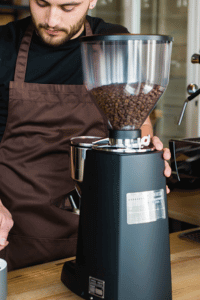
High-Output Commercial Coffee Grinder – Barista-Grade Consistency
Equip your café with a commercial grinder engineered for speed, consistency, and nonstop service. Designed for high-volume coffee shops that need precise grind size, powerful motors, and reliable performance every day. Explore top grinders trusted by professionals.
Liquor License (if serving alcohol)
Cost: $300-$14,000 depending on state and license type
Timeline: 2-6 months
Adding beer and wine? You’re entering a different regulatory tier. Liquor licenses involve background checks, public hearings, and sometimes quotas limiting how many licenses your city issues.
California’s ABC process can take 6+ months. Texas might approve you in 60 days. Budget for legal help; it’s worth it.
Local Health and Building Permits to Open a Coffee Shop
Your city and county add requirements on top of state and federal. This is where “it depends on your location” becomes real.
Health Department Permit
Cost: $100-$1,000 annual fee
Timeline: 2-8 weeks after inspection
Renewal: Annual
Your most important local permit. The health inspector examines your kitchen layout, equipment, ventilation, plumbing, and food storage.
What they check:
- Three-compartment sink for dishwashing
- Proper refrigeration temperatures
- Handwashing stations in correct locations
- Floor drains and grease trap (if required)
- Ventilation hood over cooking equipment
- Food storage off the floor
Schedule your health code inspection early. If you fail, corrections delay your opening. The FDA Food Code provides national standards that local health departments enforce.

cOFFEE HOODIES
COFFEE T-SHIRTS
EMBROIDERY
Building Permit
Cost: $500-$2,000+ depending on project scope
Timeline: 2-6 weeks for approval, then construction time
Knocking down walls? Adding plumbing? Installing a grease trap? You need a building permit. Even minor renovations typically require permits.
Your contractor usually handles this, but you’re responsible for ensuring they pull proper permits. Unpermitted work can force you to rip out and redo construction later.
Certificate of Occupancy
Cost: $100-500
Timeline: Issued after final inspections pass
You can’t legally open without this. The city verifies electrical, plumbing, and structural work meets code, and that you’re compliant with ADA accessibility requirements.
This is typically your last approval before opening.
V60 Coffee Maker
COFFEE SCALE
CHEMEX
Sign Permit
Cost: $50-$500 depending on sign size and type
Timeline: 2-4 weeks
Even your coffee shop sign requires a permit in most cities. Size restrictions, lighting regulations, and historic district rules all impact what you can install. Apply early; sign fabrication and installation takes time.
Fire Department Permit
Cost: $50-300
Timeline: Inspection required, 1-2 weeks
The fire marshal inspects your fire suppression system, extinguishers, exit signs, emergency lighting, and occupancy limits. If you’re roasting coffee on-site, expect extra scrutiny. Roasters generate heat and chaff, which increase fire risk.
Insurance Requirements for Coffee Shop Operations
Not permits, but legally required in most situations and essential for protecting your investment.
General Liability Insurance
Cost: $500-$3,000/year
What it covers: Customer injuries, property damage, legal defense
A customer slips on a wet floor. Someone burns themselves on hot coffee. General liability covers these incidents. Your landlord will likely require proof before you sign a lease.
Workers’ Compensation Insurance
Cost: 2-5% of payroll, typically
Required by: Most states if you have employees
What it covers: Employee injuries on the job
If you’re hiring baristas, you need workers’ comp in almost every state. Penalties for operating without it are severe, fines of $10,000+ and potential criminal charges. The U.S. Department of Labor provides state-specific requirements.
Commercial Ice Machine for Coffee Shops – High-Capacity Ice Production
Keep your café running smoothly with a commercial ice machine designed for high-demand beverage service. Fast production, dependable performance, and built for daily café operations. Explore top-rated models perfect for iced coffees, cold brews, and blended drinks.
Property Insurance
Cost: $500-$2,000/year
What it covers: Equipment, inventory, building damage
Your espresso machine costs $15,000. Your build-out cost $100,000. Property insurance protects against fire, theft, vandalism, and natural disasters. If you have a business loan, lenders require this.
Business Interruption Insurance
Cost: Usually bundled with property insurance
What it covers: Lost income during forced closures
A fire forces you to close for three months. You’re still paying rent and utilities—but generating zero revenue. Business interruption insurance covers your lost income. This saved many coffee shops during COVID-19 closures.
Coffee Shop Licensing Timeline: Month-by-Month

Realistic timeline from lease signing to opening day:
Months 1-2: Federal and State
- Week 1: Apply for EIN (immediate)
- Week 1-2: Register business, get business license
- Week 2-3: Apply for sales tax permit
- Week 3-4: Complete food handler certifications
Months 2-4: Construction and Local Permits
- Month 2: Submit building permit applications
- Months 2-4: Construction
- Month 3: Apply for sign permit
- Month 4: Schedule health and fire inspections
Month 5: Final Approvals
- Week 1-2: Pass health inspection (or address corrections)
- Week 2-3: Pass fire inspection
- Week 3: Receive certificate of occupancy
- Week 4: Soft opening
Month 6: Official Opening
Plan for 6-9 months from lease signing to opening. Build buffer time. SCORE offers free mentoring to help create realistic timelines.

Commercial Under-Counter Fridge – Built for Daily Coffee Shop Operations
Optimize your coffee shop with a commercial under-counter refrigerator designed for speed, efficiency, and tight spaces. Perfect for milk, syrups, and quick-access ingredients. Built for busy cafés that need reliable cooling all day. Explore top-rated models made for professional service.
Common Regulatory Mistakes That Delay Openings
Starting Construction Before Building Permits
You sign a lease and immediately start demolition. Problem: No building permits yet. When the inspector shows up, they red-tag your project. Now you’re paying rent on a closed space while waiting for permits.
Always secure permits before construction starts.
Not Budgeting for Permit Costs
You budgeted $150,000 for build-out but didn’t budget $8,000 for permits, licenses, and insurance. Add 5-10% of your total startup budget for regulatory compliance.
Understanding your coffee shop profit margins helps you budget realistically for all regulatory expenses. The SBA’s startup costs calculator helps you estimate accurately.
Ignoring Zoning Requirements
You find the perfect space and sign a lease. Then you discover it’s zoned residential or office, not commercial food service. Verify zoning before signing anything. Your city’s planning department can confirm whether coffee shop use is permitted.
Assuming Your Contractor Handles Everything
Some contractors pull all necessary permits. Others assume you’re handling it. Create a clear responsibility checklist. Who’s applying for what? Put it in writing.
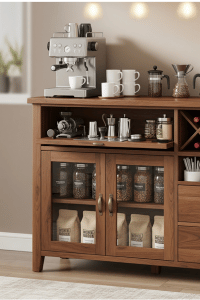
Modern Coffee Shop Furniture
Contemporary coffee shop furniture is designed for style and comfort. Create an inviting, elegant space where customers can relax, connect, and enjoy every cup in a modern atmosphere.
Your Next Steps to Legal Coffee Shop Operations
Opening a legally compliant coffee shop means following the right regulatory sequence at the right time.
Start this week:
- Apply for your federal EIN (10 minutes, free)
- List every permit your state requires (SBA’s licensing guide)
- Call your local health department for coffee shop requirements
- Get insurance quotes for liability and workers’ comp
Build your timeline backwards from your target opening date. If you want to open in six months, start permit applications now.
The licensing process is bureaucratic, but every permit protects your customers, employees, and business. Your coffee shop can’t succeed if it can’t legally operate.
Once you’re legally open, focus on getting more Google reviews and ranking on Google Maps to fill those seats. Having your daily operations checklist in place ensures smooth service from day one.
Need additional guidance? SCORE offers free mentoring from experienced business owners. The National Restaurant Association provides industry-specific compliance resources.
Ready to Open Your Coffee Shop?
Get listed in our NYC Coffee Directory and reach thousands of coffee lovers searching for their next favorite spot.
Need expert guidance on permits, marketing, or operations? I help coffee shop owners navigate the path from concept to opening. Schedule a consultation to discuss your specific challenges.
From navigating health department requirements to building a comprehensive marketing plan that fills seats, I’ve helped coffee shops across NYC launch successfully.
Let’s get your coffee shop opened legally and profitably.
Own a coffee shop? See how you compare.
Explore real coffee shops applying the strategies you just learned—then add your café to the directory to get discovered by customers searching by location.
Frequently Asked Questions About Coffee Shop Permits
How much do permits cost to open a coffee shop?
Expect $2,000-$10,000 on permits, licenses, and insurance depending on location. Major cities cost more. Liquor licenses add $300-$14,000. Budget 5-10% of total startup costs for regulatory compliance.
The SBA provides cost calculators to help estimate.
How long does it take to get all permits to open a coffee shop?
Plan for 2-6 months from first application to final approval. Federal permits are fastest (immediate to 2 weeks). State business licenses take 1-4 weeks. Local health permits take 2-8 weeks. The entire licensing process typically takes 4-6 months.
Can I open a coffee shop without a business license?
No. Operating without required licenses results in fines, forced closure, and potential criminal charges. Every state requires business registration. Every city requires health permits for food service establishments.
Do I need a food handler permit to own a coffee shop?
Yes, either you or your staff needs food handler certification in every state. Some states require only managers certified, others all employees.
The certification involves a 2-4 hour online course about food safety. Cost is typically $15-100 per person.
What insurance do I legally need for a coffee shop?
Workers’ compensation insurance is legally required in most states if you have employees. General liability insurance is usually required by your landlord.
Property insurance is required if you have loans. Check state-specific workers’ comp requirements for exact mandates.
Do I need different permits for a mobile coffee cart?
Yes, mobile coffee operations require additional permits including mobile food vendor licenses, vehicle inspections, and permits for each location where you operate.
Licensing requirements are often stricter for mobile vendors than brick-and-mortar establishments.
What happens if I fail my health inspection?
The inspector gives you a list of corrections required. You fix issues and schedule a re-inspection. Minor violations might allow conditional approval.
Major violations, like missing handwashing sinks or improper refrigeration, require fixes before you can open.
Can I start permit applications before signing a lease?
Most local permits require a physical address. You can get your federal EIN and start state business registration before signing a lease, but health permits, building permits, and certificates of occupancy need an actual location.